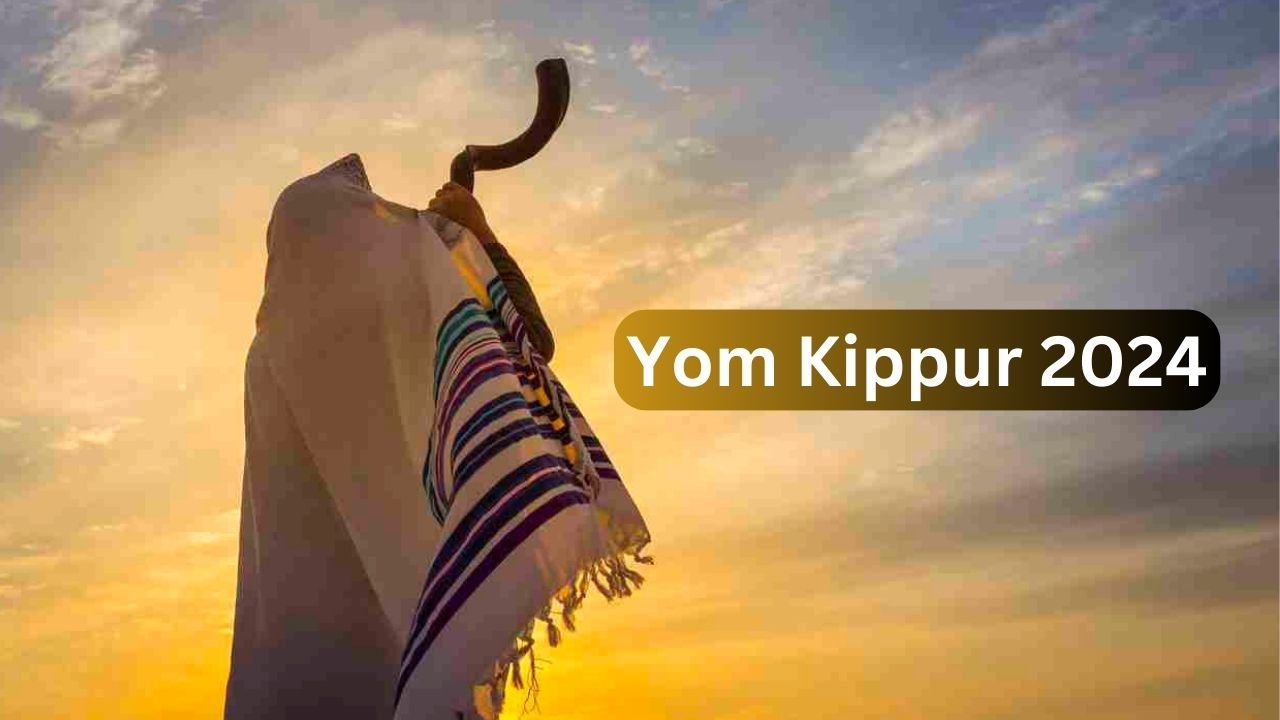
It’s the quietest day of the year in Israel, and for millions of Jewish people globally, it’s the most intense 25 hours they’ll face. When people ask what is Yom Kippur 2024, they usually want a date. They want to know when to mark their calendars. But honestly? It’s more about a total pause. Everything stops. No food. No water. No scrolling through your phone until your thumb hurts.
In 2024, Yom Kippur began at sundown on Friday, October 11, and ended after nightfall on Saturday, October 12.
Because it fell on Shabbat—the Jewish Sabbath—the day carried a double layer of sanctity. It wasn't just the "Sabbath of Sabbaths"; it was a literal intersection of the weekly rest and the annual Day of Atonement. You've probably seen the empty streets in Tel Aviv on the news or heard about the "White Fast." It's a day of radical vulnerability.
The Actual Mechanics of the Day
Yom Kippur isn't just a holiday. It’s a legalistic and spiritual marathon. The Torah identifies it as Shabbat Shabbaton. Basically, it’s the big one. If you’re observant, you’re spending nearly the entire time in a synagogue. You’re not wearing leather shoes because leather was historically a luxury, and today is about humility. You aren't washing your face or wearing perfume.
There are five specific prohibitions: no eating or drinking, no bathing, no using oils or lotions, no wearing leather shoes, and no marital relations.
Five prayer services happen. Most Jewish holidays have three or maybe four. Yom Kippur adds Ne'ilah, the closing of the gates. This is when the energy in the room shifts. People are tired. Their throats are dry. But the singing gets louder. There’s this palpable sense that the window for "changing your fate" for the coming year is slamming shut. It’s heavy stuff.
Why 2024 Felt Different
We have to talk about the context. Understanding what is Yom Kippur 2024 requires looking at the calendar. It took place just days after the first anniversary of the October 7 attacks. The atmosphere was heavy. In many communities, the usual prayers for peace weren't just recited; they were shouted.
Rabbi Lord Jonathan Sacks once wrote that Yom Kippur is the day we face our own mortality to learn how to live. In 2024, that wasn't an abstract concept. It was lived reality. Many families in Israel and the Diaspora were fasting while holding the names of hostages or fallen soldiers in their pockets. It changed the "vibe" of the synagogue from a routine religious obligation to a collective mourning and plea for better days.
The Misconceptions People Have
People think it’s a sad day. It isn't. Not really.
Sure, you’re fasting and confessing a long list of sins—the Viduy—but the underlying theme is actually joy. Why? Because of the "clean slate" effect. The Talmud suggests that there were no days as festive for Israel as the 15th of Av and Yom Kippur. That sounds wild when you’re twelve hours into a fast, but the idea is that you're being forgiven. You’re becoming like an angel for a day. That's why people wear white. It’s not mourning; it’s purity.
Also, the "sins" part.
Yom Kippur only covers sins between you and God. It does not wipe away the stuff you did to your neighbor. If you stole ten bucks from your sister or lied to your boss, God doesn't check that box for you. You have to go to that person and fix it before the fast starts. This is the "Erev Yom Kippur" hustle—texting people you haven't talked to in months to say, "Hey, if I was a jerk this year, I’m sorry." It’s awkward. It’s necessary.
The Biology of the Fast
Let's get technical for a second. When you stop eating and drinking for 25 hours, your body goes through a specific cycle. By hour twelve, your blood sugar drops. By hour twenty, your brain starts to feel a bit "floaty." This isn't just a test of will; it’s designed to detach you from your physical needs.
Doctors often advise "pre-gaming" the fast. You don't just eat a massive steak at the last minute—that’s a recipe for a thirst-induced headache. Most people eat a meal called the Seudah HaMafseket. It’s usually bland. Chicken soup, maybe some potatoes. Nothing too salty.
In 2024, many health experts emphasized that those with medical conditions, including mental health struggles or eating disorders, are actually forbidden from fasting if it endangers them. In Judaism, Pikuach Nefesh—saving a life—trumps almost every other law. If a doctor says you need to eat, eating becomes your "mitzvah" (commandment) for the day.
The Social Impact of a National Standstill
In Israel, the day is unique. Even secular Israelis who don't believe in the religious aspect tend to respect the silence. No cars drive. Kids take over the highways with bicycles. It’s known as "Bicycle Day" to some of the younger generation. There’s something eerie and beautiful about a modern country just... stopping. No sirens, no engines, just the sound of wind and kids laughing on the freeway.
But it’s also a day of intense memory. The 1973 Yom Kippur War is baked into the DNA of the day. In 2024, that historical trauma felt closer than ever. Every siren heard—though they are rare on this day—triggers a collective heartbeat.
How to Approach the Day if You’re New to It
If you’re looking at what is Yom Kippur 2024 because you’re attending a service for the first time or supporting a friend, here’s the deal: show up in white. Don't bring a snack. Don't be surprised if the service feels like it’s going on forever. It basically is.
Most synagogues use a special prayer book called a Machzor. It contains the specific liturgy for the holiday, including the Kol Nidrei prayer. This is the famous melody that opens the holiday. It’s legally a "nullification of vows," which sounds boring, but the music is haunting. It’s meant to release you from the pressure of the promises you made to yourself that you couldn't keep.
Actionable Insights for Next Year
If you want to experience the "clean slate" without the religious overwhelm, there are things you can do regardless of your faith.
- The 24-Hour Tech Fast: Try turning off your phone for the duration. The mental clarity that comes from not being "reachable" is the closest secular equivalent to the Yom Kippur experience.
- The Inventory: Sit down and write a list of people you’ve wronged. Don't just think about it. Text them. Call them. It clears the air in a way that "self-care" never will.
- The Break-Fast Strategy: When the sun goes down and the Shofar (ram’s horn) blasts, don't gorge. Start with orange juice or a piece of lekach (honey cake). Your stomach will thank you.
- Charity (Tzedakah): It's a tradition to give money to a cause you believe in right before the holiday starts. It shifts the focus from "me" to "everyone else."
Yom Kippur 2024 was a bridge between a painful past and an uncertain future. It’s a day that asks: who do you want to be when the gates close? Even if the date has passed, the question remains relevant every single morning you wake up. It’s about the radical idea that change is actually possible, even for the most stubborn parts of our personalities.
To prepare for future years, start your "reconciliation" process weeks in advance. The day itself is just the finish line; the real work happens in the conversations you have in the days leading up to it. Focusing on sincere apologies and setting intentions for personal growth ensures that the fast isn't just an exercise in hunger, but a catalyst for a genuine shift in character.