It starts with that bass line. You know the one. It’s thick, distorted, and sounds like it’s weeping through a wah-pedal. Before Stephen "Thundercat" Bruner even opens his mouth, you feel the weight of a heart being physically ripped out. Them Changes by Thundercat isn't just a song; it’s a cultural mood ring that managed to turn deep, soul-crushing grief into something you can actually two-step to in a crowded club.
Honestly, it’s kind of a miracle this track exists in the form it does. Released as the lead single for his 2015 EP The Beyond / Where the Giants Roam, and later anchored on the 2017 masterpiece Drunk, the song has lived several lives. It’s been sampled, covered, and played to death on TikTok, yet it hasn't lost an ounce of its stank.
Most breakup songs are whiny. This one is surgical.
The Anatomy of a Bass Line
Let’s talk about the Isley Brothers. Specifically, "Footsteps in the Dark." Thundercat didn’t just sample the drum break; he inhabited it. He took that iconic, crisp snare and kick and layered his custom Ibanez six-string bass over it like thick molasses.
Most bassists try to stay in the pocket. Thundercat? He builds the whole suit.
The filter he uses—usually a Moogerfooger MF-101—gives the bass a "quack" that sounds almost vocal. It’s a technical marvel, but you don't need to be a gear head to realize it sounds like someone’s pulse jumping. When he sings about finding his heart on the floor, the music is already doing the heavy lifting. The production, handled by Thundercat himself alongside the legendary Flying Lotus, is sparse but incredibly dense. It’s a paradox. You’ve got these jazz-fusion sensibilities meeting a very straightforward pop structure, which is probably why it became his biggest hit.
It’s accessible funk. It doesn't ask you to understand 7/8 time signatures or complex modal shifts, even though Bruner is more than capable of playing them. He chooses not to. He chooses the groove.
Why Them Changes by Thundercat Still Hits Different
There is a specific kind of honesty in the lyrics that most R&B avoids. Usually, heartbreak is framed as a "look what you did to me" or a "please come back" narrative. Thundercat goes internal. He’s literally looking for his heart. He’s checked his pillowcase. He’s checked under the stairs.
"Nobody move, there's blood on the floor / And I can't find my heart!"
It’s surrealism. It’s reminiscent of the way George Clinton or Bootsy Collins would frame emotional states through absurd imagery. By treating his heart like a lost set of car keys, he captures the numbness of a real-life trauma. You aren't crying; you're just confused. You're wondering where the vital organ went.
The song actually resonates because it bridges the gap between the virtuosic "musician's musician" world and the average listener who just wants something to vibe to. You see kids at festivals wearing cat ears and anime shirts screaming these lyrics. You see jazz purists nodding along. It’s a rare piece of "prestige" music that doesn't feel pretentious.
The Flying Lotus Connection and the Brainfeeder Sound
You can't discuss this track without talking about the Brainfeeder collective. In the mid-2010s, the Los Angeles beat scene was undergoing a massive shift. Everything was getting more organic, more psychedelic. Them Changes by Thundercat became the flagship for this new era.
Flying Lotus, aka Steven Ellison, has this way of making digital music sound like it’s breathing. On this track, the synthesisers in the background—those high, shimmering chords—feel like ghosts. It provides a contrast to the "dirt" of the bass.
- The Drum Sample: It’s a 1977 classic reimagined for a generation that grew up on J Dilla.
- The Vocal Layering: Thundercat has a soft, falsetto-heavy voice. It’s vulnerable. It’s the sound of a man who isn't trying to "alpha" his way through a breakup.
- The Saxophone: Kamasi Washington’s contribution is subtle but vital. It adds a layer of "realness" that prevents the song from feeling too much like a studio experiment.
It’s a family affair. That’s why it feels so lived-in.
Misconceptions About the Meaning
Some people think this is a "fun" song because of the tempo. It’s not. If you actually listen to the second verse, it gets dark. Fast.
"I'm not the man I used to be / Lately I struggle to see."
He’s talking about a loss of identity. When you lose a partner, you lose the version of yourself that existed in their eyes. Thundercat is describing a literal ego death. The "changes" aren't just external; they are cellular.
Interestingly, the song has also been linked to his real-life struggles with grief, particularly the passing of his close friend and collaborator Austin Peralta. While the song is often framed as a romantic breakup, the "hole in the chest" imagery is a universal marker for any profound loss. It’s about the vacancy left behind.
The Cultural Ripple Effect
Since 2015, we’ve seen a massive resurgence in bass-forward pop. You can hear the DNA of this song in everything from Anderson .Paak to Childish Gambino’s Awaken, My Love!. Thundercat essentially gave permission to a whole new generation of instrumentalists to be the frontmen.
You don't have to be a singer who happens to play an instrument. You can be a virtuoso who happens to sing.
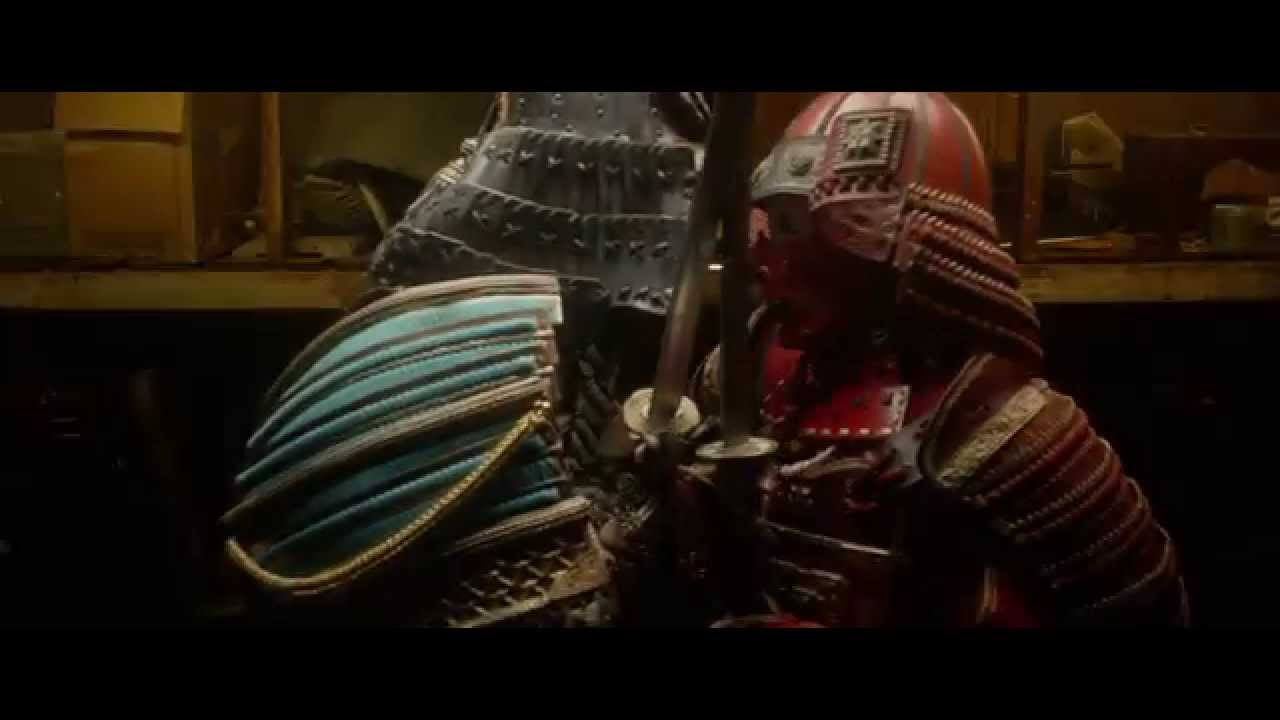
The music video—featuring a samurai sitting in a chair, contemplating his existence—further cemented the song's "cool" factor. It tapped into the "blerd" (Black nerd) culture that Thundercat embodies. It’s okay to like anime, bass solos, and 70s soul all at once.
How to Get That Sound
If you’re a musician trying to replicate the magic of Them Changes by Thundercat, you’re going to need more than just a wah-pedal.
- The Attack: He uses a lot of thumb technique but with the finesse of a finger-style player.
- The Envelope Filter: You want something that reacts to how hard you hit the string. The Moogerfooger is the gold standard, but a Boss SY-1 or a Q-Tron can get you in the ballpark if you're on a budget.
- The Harmony: He’s using 10ths and weird chord voicings on the bass that most people reserve for piano.
- The Flatwounds: To get that "thud" without the metallic "zing," many players switch to flatwound strings. It keeps the tone vintage.
What to Listen to Next
If you've played this track into the ground and need something to fill the void, you have to look at the lineage.
Check out "What It Is" from his album It Is What It Is. It’s almost a spiritual successor—shorter, faster, but with that same "I’m laughing so I don't cry" energy. Also, dive into the Isley Brothers' Go For Your Guns album. It’s the source material for the vibe.
The genius of Thundercat is that he makes the complex look easy. He makes the sad look cool. And he makes the bass the sexiest instrument in the room.
Next Steps for the Listener:
To truly appreciate the depth of the track, listen to the live version from his NPR Tiny Desk concert. It strips away the studio polish and reveals just how much of that "synth" sound is actually coming from his fingers. Once you've done that, explore the Brainfeeder X compilation to see how this specific L.A. sound influenced an entire decade of electronic and jazz music. Finally, pay attention to the lyrics during your next listen—stop dancing for a second and realize he's literally bleeding out over a disco beat. It's a trip.