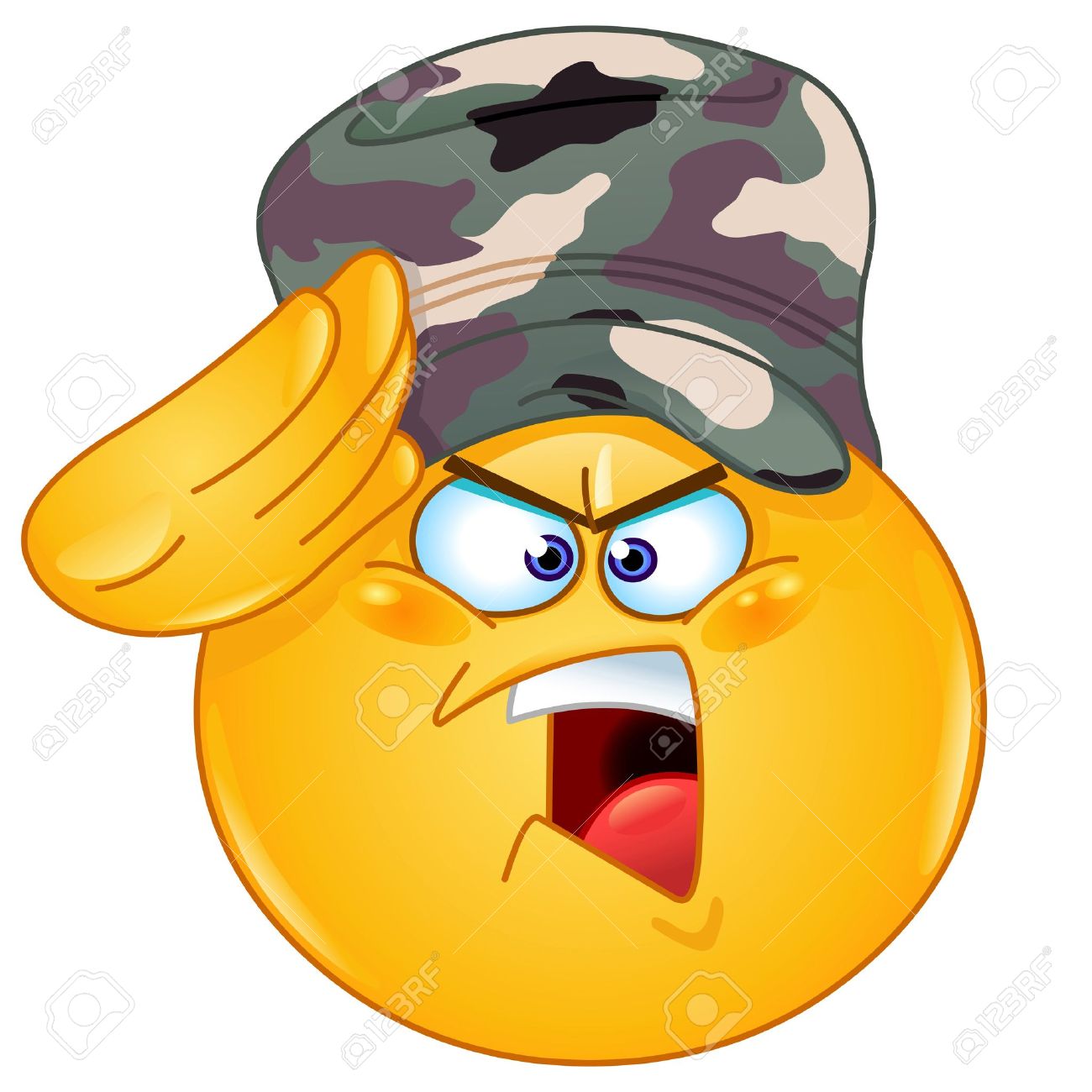
You’ve seen it. That pixelated, overly intense image of a soldier or a stylized character shouting into the void of a comments section. It’s loud. It’s aggressive. It’s the sir yes sir meme, and honestly, it’s one of those internet relics that refuses to die because it perfectly captures that weird mix of irony and genuine enthusiasm we all feel sometimes.
Memes usually have a shelf life of about three weeks. This one? It’s different.
It’s evolved from a simple military trope into a versatile tool for "stan" culture, ironic obedience, and absolute chaos on platforms like TikTok and X (formerly Twitter). One minute it's being used to joke about toxic productivity, and the next, it’s a way for fans to show "unwavering loyalty" to a pop star or a fictional character. It’s weirdly flexible.
Where Did This Loud Noise Actually Come From?
Tracing the origin of a meme is like trying to find the first person who ever used a specific slang word at a party. It’s messy. However, the "Sir Yes Sir" energy finds its roots in the archetypal "Drill Sergeant" trope that Hollywood has obsessed over for decades.
Think R. Lee Ermey in Full Metal Jacket. That 1987 performance basically codified the "loud, vein-popping authority figure" in the collective consciousness. For years, this was just a movie trope. Then the internet got a hold of it.
The specific visual language of the sir yes sir meme often pulls from various sources. Sometimes it’s a low-quality crop of a soldier from a video game like Call of Duty or Battlefield. Other times, it’s a distorted "deep-fried" image of a generic military man. The aesthetic choice is intentional; the lower the quality, the higher the irony. In the early 2010s, "Sir Yes Sir" was mostly used in gaming forums. People used it to mock players who took tactical shooters way too seriously. It was a "stop being a try-hard" signal.
The Ironic Shift: From Military to Stan Culture
Things took a turn around 2020.
The meme moved away from its literal military roots and became a staple of "simp" and "stan" culture. You’ll see a celebrity post a selfie, and the top comment isn't just "you look great." It’s a barrage of sir yes sir meme images or text strings. It’s a way of saying, "I am under your command." It’s exaggerated. It’s performative.
The humor comes from the juxtaposition. Taking the most rigid, masculine, and disciplined phrase imaginable and applying it to, say, a K-pop idol or a new flavor of energy drink is peak internet humor. It’s the "submissive and breedable" era’s more aggressive cousin.
People use it to describe their relationship with their own bad habits, too. "My bed: 'Go to sleep.' Me: Sir yes sir." It resonates because we all feel like we're constantly being barked at by life, and sometimes the only response is a shouted, ironic acknowledgment.
Why Does Google (and You) Keep Seeing This?
Algorithms love engagement, and nothing drives engagement like a recognizable visual shorthand. The sir yes sir meme is what we call "low friction" content. You don't need a PhD in internet history to get the joke. You see the image, you hear the internal shout, you keep scrolling.
On TikTok, the meme took on a literal sound. Audio clips of drill sergeants screaming—or more recently, "phonk" music tracks layered over military visuals—became the background for "grindset" videos. Some of these are serious. Some are making fun of the people who are serious. That ambiguity is exactly why it thrives.
The Misconception of "Aggression"
A lot of people think the meme is about supporting the military or being genuinely aggressive. It's almost never that. In fact, if you look at the communities where it's most popular—gaming, anime, and pop music fandoms—it's usually a tool for self-deprecation.
It’s about the absurdity of authority.
By over-complying with an order (even an imaginary one), the user is actually mocking the idea of being told what to do. It’s a "malicious compliance" of the soul.
The Different "Flavors" of the Meme
You can’t just lump every "Sir Yes Sir" into one bucket. The internet is more nuanced than that. Here’s how it actually breaks down in the wild:
- The Deep-Fried Soldier: High-contrast, blurry, and usually used in response to something completely mundane.
- The Anime Variation: Often features a character in a military uniform or just looking determined. This is huge on Discord.
- The "🫡" Emoji: This emoji has basically become the text-only version of the sir yes sir meme. It’s the universal sign for "I hear you and I will (ironically) obey."
- The Grindset Version: Used by fitness influencers and "hustle" accounts. This is the only place where the meme is sometimes used without a layer of irony, which—honestly—is the funniest part.
How to Use It Without Being Cringe
If you’re trying to use the sir yes sir meme, timing is everything. It’s a "reaction" meme.
Using it in an original post is risky; it usually works best when you’re responding to a "command" or a strong opinion. If a brand announces a new product, or a friend says "we're going to Taco Bell," that’s the moment.
Don't overthink the image quality. If the picture is too crisp, it looks like an ad. If it looks like it was saved and re-uploaded 400 times on a 2005 Nokia? Perfect. That’s the "artifacting" that gives the meme its soul. It signals that you’ve been in the trenches of the internet.
Why It Won't Go Away
Culture moves fast, but certain human archetypes are permanent. The Drill Sergeant is one of them. As long as there are people in positions of authority—and as long as there are people who want to make fun of them—the sir yes sir meme will exist in some form.
It’s a release valve.
Life is demanding. Work is demanding. The internet is demanding. Being able to shout "SIR YES SIR" at a cat photo or a request to do the dishes makes the demand feel a little less heavy. It turns a chore into a performance.
To truly understand the staying power here, you have to look at the "Yes Chad" meme or the "Wojak" variations. They all serve the same purpose: simplifying complex emotions into a single, recognizable face. But "Sir Yes Sir" has audio. It has a physical presence. It’s the loudest meme in the room.
Actionable Takeaways for Content Creators
If you’re a creator or a brand trying to navigate this space, don't try to "own" the meme. You can’t. The moment a corporate account uses a sir yes sir meme to sell insurance, the irony dies a little bit.
Instead, understand the vibe.
- Embrace the Lo-Fi: High production value is the enemy of meme-ability. Keep it raw.
- Lean into the Irony: If you’re being serious, you’re doing it wrong.
- Watch the Trends: Keep an eye on how the "🫡" emoji is being used in your specific niche.
- Listen to the Audio: If you're on TikTok, find the specific "drill sergeant" sounds that are trending. Don't just use the text.
The meme is a living thing. It changes. But at its core, it’s just a way for us to scream back at a world that’s always screaming at us.
Understand that the "Sir Yes Sir" phenomenon is less about the military and more about the performative nature of modern life. When you see it, you aren't seeing a recruitment poster. You're seeing a digital eye-roll disguised as a salute. Use that knowledge to better navigate online communities or just to understand why your younger cousin keeps sending you pictures of screaming soldiers.
Check the latest trends on Know Your Meme or Twitter's "Explore" tab to see the most recent visual iterations. The "Sir Yes Sir" format changes monthly, so staying updated on the specific "character" being used—whether it's a soldier, a cartoon, or a distorted emoji—is key to staying relevant. Look for the "🫡" in comment sections to see where the energy is shifting next.