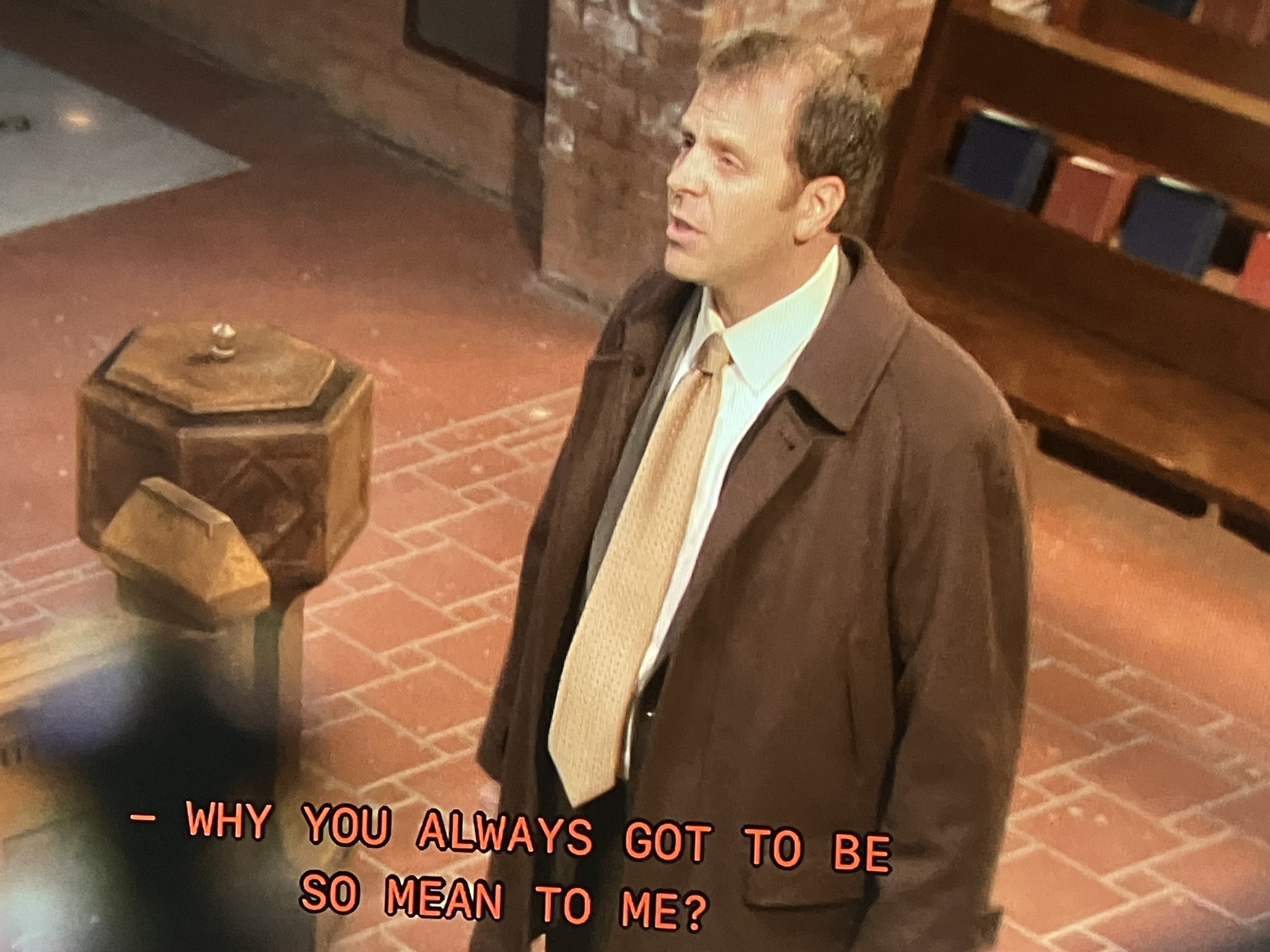
We’ve all been there. You wake up, check your phone, and the world just feels... loud. Maybe a stranger on X (formerly Twitter) told you your take on a niche indie film was trash. Maybe you just dropped your toast face-down. Suddenly, that specific image of a crying girl or a dejected cartoon pops into your head. You know the one. It’s the "everyone's so mean to me" meme, and honestly, it’s one of the most resilient bits of internet culture we have.
It’s weird.
The internet is usually a place where people try to look cool, but this meme is the opposite. It’s a celebration of being a total loser—at least for a second. It captures that specific, hyper-dramatic feeling of being the main character in a tragedy that nobody else cares about.
The Weird History of Everyone's So Mean to Me
People think memes just spawn out of thin air. They don't. This specific phrase has roots that go back way further than the current TikTok or Twitter cycles. While it's hard to pin down the very first person to utter the words "everyone's so mean to me" in a digital space, the visual evolution is what really matters.
The most iconic version usually features a girl crying—often identified as a stylized, slightly "indie" or "alt" character—paired with the caption. It leans heavily into the "soft" or "coquette" aesthetic that dominated Tumblr in the early 2010s and saw a massive revival on Pinterest and TikTok around 2022 and 2023. It’s self-deprecating. It’s ironized.
One of the most frequent iterations uses a drawing by the artist 029 (or 029_v0v), whose work often depicts melancholic, wide-eyed girls. These images became the perfect canvas for the "everyone's so mean to me" meme because they look genuinely sad, which makes the joke work. If the girl looked like she was actually in danger, it wouldn't be funny. But because she looks like she's crying over a lost lip balm or a mildly critical comment about her bangs, it hits that sweet spot of relatable over-dramatization.
Why This Meme Refuses to Die
Trends move fast. Most memes have the lifespan of a fruit fly. But this one? It sticks.
Why? Because it’s a defense mechanism.
When you post "everyone's so mean to me," you’re beating everyone to the punch. You’re acknowledging that you’re being sensitive or "extra." It’s a way to signal that you know you’re being dramatic, which—paradoxically—makes you look more self-aware and cooler. It’s "ironic detachment."
It also taps into the "Main Character Syndrome" phenomenon. In your own head, a minor inconvenience is a plot twist. Sharing the meme is a way of inviting your friends to play along. They know you’re not actually being bullied by the entire world; they know you’re just having a "day."
The Aesthetic of Sadness
There is a huge overlap between this meme and the "Sad Girl Theory" popularized by writers like Audrey Wollen. Wollen argued that female sadness and vulnerability could be a form of political resistance. While your average Twitter user isn't thinking about feminist theory when they post a crying anime girl, the meme draws from that same well of "publicly performed misery."
It’s an aesthetic.
The colors are usually muted. The fonts are often simple. Sometimes it’s a grainy screenshot from an early 2000s cartoon like The Powerpuff Girls or SpongeBob SquarePants. This nostalgia adds a layer of comfort. It says, "I feel like a child who just got their feelings hurt."
The Everyone's So Mean to Me Meme vs. Real Bullying
Let's get real for a second. There’s a massive difference between the meme and actual digital harassment.
Most people use the meme for things that are objectively trivial.
- Getting 10 likes instead of 100.
- Someone disagreeing with your "correct" coffee order.
- The weather being slightly too humid for your hair.
If someone is actually being harassed, they rarely use the "everyone's so mean to me" meme. It’s too light. It’s too funny. Using it in the face of genuine, targeted vitriol would feel like bringing a toothpick to a sword fight. The meme functions because the "meanness" it refers to is usually just the friction of existing in a world with other people.
It’s the "first world problems" of the 2020s.
How Brands Ruined (and Then Saved) It
You know the drill. A meme gets popular, and suddenly a corporate account for a brand of dish soap is trying to use it. When brands first touched the "everyone's so mean to me" meme, it was cringey. They didn't get the irony. They used it to complain about people not buying their products, which just felt desperate.
But then, something shifted.
Social media managers started getting younger. They actually grew up on Tumblr and Reddit. Now, you’ll see brands like Empire State Building or Duolingo use the meme with actual wit. They lean into the "unhinged" persona. When people tell the Duolingo bird to shut up, the account responds with a "everyone's so mean to me" vibe, and it works because it’s leaning into the absurdity of a language-learning app having "feelings."
The Psychological Hook: Why We Love to Relate
Psychologists often talk about "social mirroring." We like things that reflect our inner state.
Life is objectively stressful right now. Between the economy, the climate, and the general vibe of the internet, people are burnt out. Sometimes, you don't have the energy for a nuanced conversation about your mental health. You just want to post a picture of a crying kitten and say everyone is mean.
It’s a low-stakes way to seek validation.
When your friend likes that post, they aren't saying "I’m sorry you’re being victimized." They’re saying "I get it. I’m tired too." It’s a shorthand for a much longer conversation about modern anxiety.
Variations You'll See Everywhere
The meme has mutated. That’s the sign of a healthy meme.
- The "And I'm So Little" Variant: This adds an extra layer of "infantilization" as a joke. It’s not just that everyone is mean; it’s that the poster is just a "tiny little guy" who shouldn't be picked on.
- The Hyper-Specific Callout: "Me when I post a selfie and my mom comments 'nice shirt' instead of 'you are the most beautiful person alive' (everyone's so mean to me)."
- The Silent Version: Just the image, no text. At this point, the visual of the crying girl is so synonymous with the phrase that you don't even need the caption.
This evolution shows that the meme has entered the "Post-Irony" phase. We know it’s a joke, we know that you know it’s a joke, and yet, we still feel the underlying emotion.
Is It Self-Indulgent?
Critics (who are usually just mean, ironically) say this type of internet humor is "narcissistic." They argue it centers the individual in every situation.
Maybe.
But honestly? Who cares?
The internet is a vast, cold void. If posting a meme about how the world is "mean" helps someone feel a little more connected to their friends, it’s a win. It’s a way of blowing off steam. It turns a bad mood into a piece of content, which—for better or worse—is how a lot of people process their lives in 2026.
How to Use the Meme Without Being Cringe
If you're going to use the everyone's so mean to me meme, there are a few unwritten rules.
First, keep the "offense" small. If you use it to respond to something actually serious, you’ll look out of touch. It’s for the small stuff. Use it when you’re "delusional" (another favorite internet word).
Second, the image matters. Don't use a high-def 4K photo. It needs to look a little bit "crusty." A screenshot of a screenshot. It needs to feel like it’s been lived in.
Third, don't over-explain it. The whole point is the "if you know, you know" energy.
What This Meme Tells Us About the Future of Humor
We are moving away from the "loud" humor of the early YouTube era. We’re moving into a space that is much more subtle, vibe-based, and emotionally resonant. The "everyone's so mean to me" meme is the blueprint for this. It’s not a "joke" with a punchline. It’s a mood.
As AI-generated content becomes more common, these hyper-specific, human-centric memes are going to become even more valuable. They represent a type of "cultural literacy" that machines struggle to replicate because they require an understanding of what it feels like to have your feelings hurt by a stranger on the internet.
Actionable Takeaways for Navigating Meme Culture
If you're trying to keep up with how people communicate today, don't just look at the words. Look at the subtext.
- Lean into the vulnerability. The most successful digital communication right now is about being "real," even if that reality is wrapped in five layers of irony.
- Watch the aesthetics. Sites like Know Your Meme or even just browsing "Core" aesthetics on Pinterest will tell you more about the "everyone's so mean to me" vibe than any marketing textbook.
- Understand the "vibe shift." Humor is getting more internal. It’s about how we feel, not just what we see.
The next time you feel like the world is ganging up on you because your favorite TV show got canceled, go ahead. Post the girl. Post the kitten. Tell the void that everyone is so mean to you.
You’ll probably find a thousand people who feel exactly the same way.
To stay ahead of the curve, start observing how these memes transition from niche platforms like Discord or Telegram into the mainstream. Usually, by the time it hits a major news outlet, the "cool" version of the meme has already changed. Pay attention to the way the images are edited—the saturation, the cropping, and the intentional low-quality "deep-fried" look—as these visual cues often carry as much meaning as the words themselves.