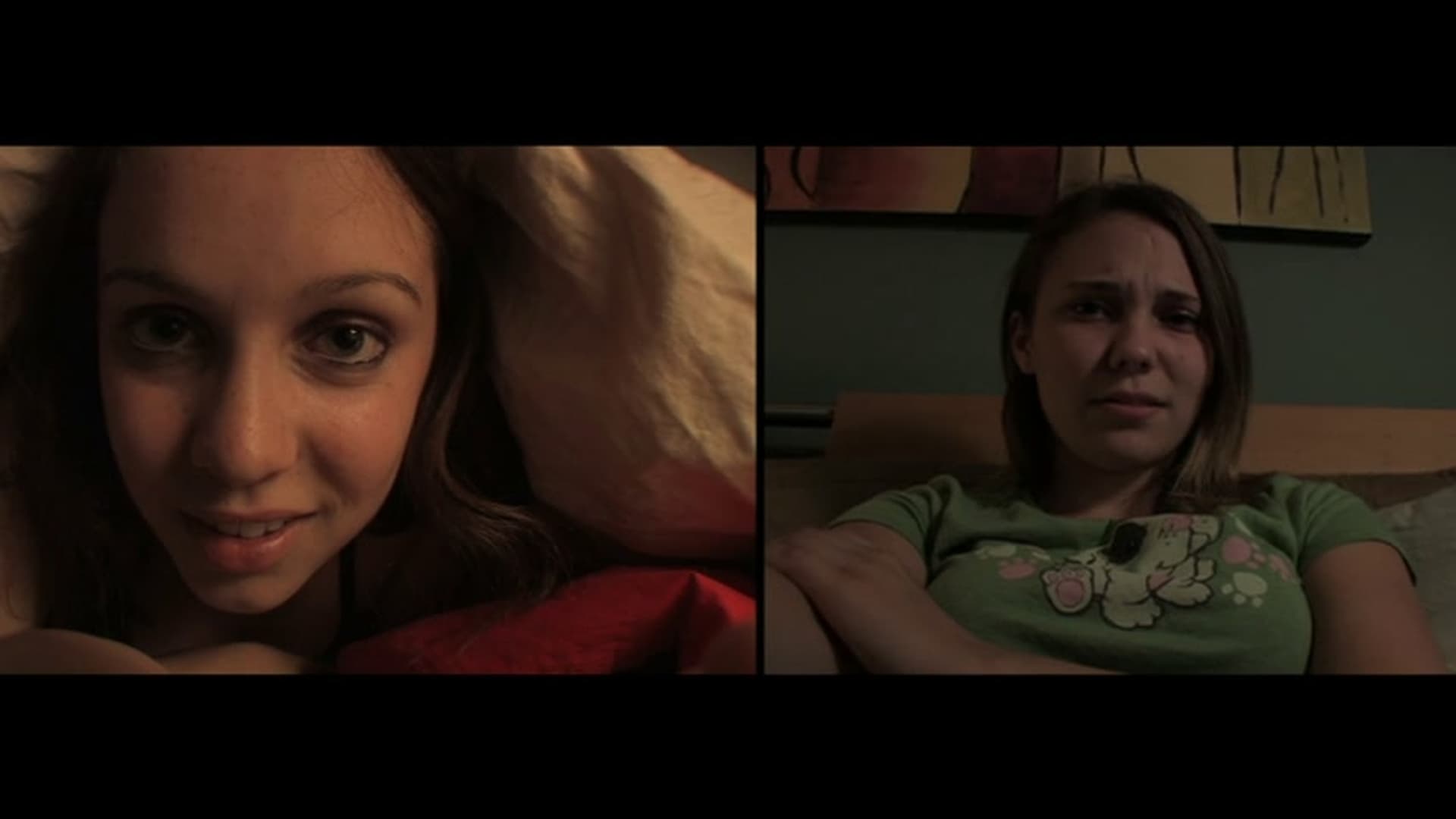
You’ve probably seen the warnings on TikTok. Or maybe you stumbled across a "disturbing movies" thread on Reddit late at night. Somewhere in the middle of those lists, right next to Cannibal Holocaust or A Serbian Film, people start talking about photo 1 Megan is Missing. It sounds like a generic file name. It sounds harmless. But for anyone who has actually sat through Michael Goi’s 2011 psychological horror film, those words carry a specific, heavy kind of dread.
It’s weird. The movie was basically ignored when it first came out. It sat in the bargain bins of indie horror for nearly a decade until 2020 happened. Then, seemingly overnight, it became a viral trauma test. People weren't just watching it; they were filming their reactions to the ending, sobbing, or staring blankly at the camera in total shock.
What is Photo 1 Megan Is Missing actually showing?
Let’s be clear about what this is. Photo 1 Megan Is Missing refers to the first of a series of photos shown during the final, agonizing sequence of the film. After watching Megan Stewart and her best friend Amy Herman get lured into the trap of an online predator named "Josh," the movie shifts from a "found footage" style to a slideshow of horror.
The "photo 1" in question isn't a jump scare. It’s a static image of Megan. She’s alive, but she’s clearly been broken. She’s in a barrel. It is the moment the viewer realizes that there is no rescue coming. No last-minute hero. No Hollywood ending. It’s just the cold, hard reality of what happens when a child falls into the hands of a monster.
The image works because it exploits our deepest fears about digital vulnerability. Michael Goi, who wrote and directed the film, didn't just make up these scenarios for shock value. He based much of the dialogue and the "predator" tactics on actual police files and missing persons reports. He wanted it to be ugly. He wanted it to be repulsive. Honestly, he succeeded so well that the film was banned in New Zealand for being "objectionable" due to its depiction of sexual violence and exploitation involving minors.
The Viral Resurgence and Why We Can't Look Away
Why did a 2011 movie explode in 2020 and 2021? Lockdown. We were all stuck inside, glued to our screens, and the internet became our only window to the world. That’s exactly the environment where a predator like "Josh" thrives.
TikTok users started the #MeganIsMissing challenge. It wasn't a "fun" challenge. It was more of a "can you survive this?" dare. The algorithm pushed photo 1 Megan Is Missing into the feeds of millions of teenagers—the exact demographic the movie was trying to warn. It created this bizarre feedback loop where the movie became more famous for the reaction to it than for the content itself.
It’s a brutal watch. Goi actually issued a public warning when the film went viral, telling people not to watch it alone and to avoid it if they were already feeling anxious. That’s not a marketing gimmick. The film uses a technique called "the banality of evil." It doesn't show a movie monster with claws. It shows a guy who sounds like a normal teenager on a webcam.
Breaking Down the Psychological Impact
Most horror movies give you a release. You know the killer is a guy in a mask. You know the ghost can’t hurt you. But photo 1 Megan Is Missing feels different because it feels possible.
- The Found Footage Trap: Because the movie is shot through webcams and handheld cameras, your brain processes it as "real" footage.
- The Pacing: The first hour is almost boring. It’s just teenage drama. This lowers your guard.
- The Final 20 Minutes: This is where the photos, including photo 1, appear. The shift from "boring" to "unbearable" happens so fast that viewers often feel physically nauseous.
Experts in media psychology often point to this film as a prime example of "vicarious trauma." You aren't just watching a story; you’re witnessing a simulated crime. The photos are presented as evidence. By the time you get to the end, you feel like an accomplice who watched it happen and did nothing.
Misconceptions About the "Real" Story
Is Megan Stewart a real person? No.
There is a huge misconception that Megan Is Missing is a documentary. It isn't. However, the reason people think it's real is that the actors—Amber Perkins and Rachel Quinn—delivered incredibly raw, unpolished performances. They didn't feel like "actors." They felt like girls you went to school with.
The "Josh" character is a composite of real-life predators. Michael Goi spent years researching how these people operate. They don't always use force. They use "grooming." They find a vulnerability—Megan’s desire for attention, Amy’s desire to protect her friend—and they exploit it.
When you search for photo 1 Megan Is Missing, you’ll often find forum posts asking if the photo is "real." While the photo was staged for the film, the context is real. Similar photos have existed in actual criminal cases. That’s why the image lingers. It’s a mirror to a reality we’d rather ignore.
How to Protect Yourself in a Digital World
The movie is a PSA disguised as a snuff film. While the filmmaking is controversial and many critics hate it for being "exploitative," the core message is worth paying attention to. The internet is a vastly different place than it was in 2011, but the dangers have only become more sophisticated.
Predators don't just hang out in chat rooms anymore. They are in the comments of TikTok, the DMs of Instagram, and the lobbies of online games. They use AI filters. They use voice changers.
If you or someone you know is interacting with people online, remember a few non-negotiable rules. Never share your location. Never send photos you wouldn't want the whole world to see. If someone asks you to keep a "secret" from your parents or friends, that is the biggest red flag in existence.
Actionable Steps for Digital Safety
- Audit Your Privacy Settings: Go into your social media apps right now. Ensure your accounts are private and that "Location Services" are turned off for camera apps.
- The "Vibe Check" is Not Enough: Just because someone looks "hot" on a webcam or sounds "nice" in a voice note doesn't mean they are who they say they are. Deepfake technology in 2026 is better than it’s ever been.
- Talk About the Movie (Without Watching It): You don't need to traumatize yourself to understand the lesson. Use the story of photo 1 Megan Is Missing as a conversation starter with younger siblings or friends about the reality of online grooming.
- Report Suspicious Behavior: If someone is acting "weird" or pushing boundaries, don't just block them. Report the profile. You might be saving the next person who isn't as skeptical as you are.
The legacy of Megan Is Missing isn't its quality as a film. It’s a 0/10 for many critics. Its legacy is that one specific, haunting image that reminds us how quickly a life can be upended by a single click. Stay skeptical. Stay safe. And maybe skip the movie entirely—the summary is usually enough to get the point across without the years of nightmares.