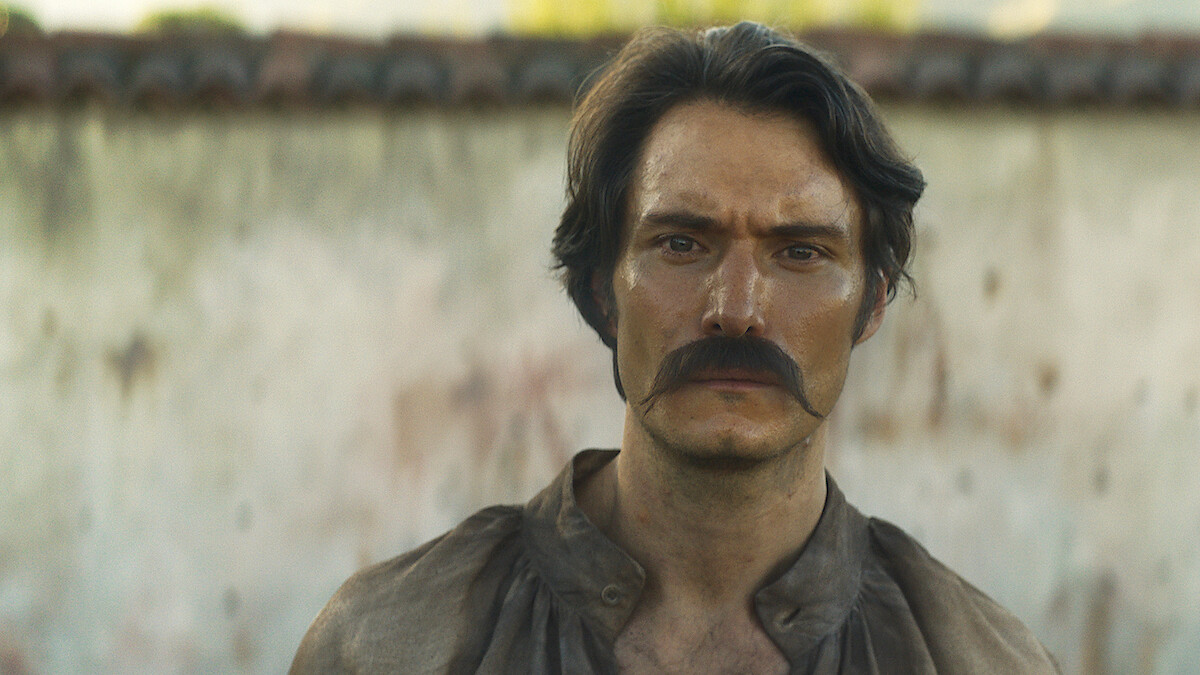
Honestly, the first time you crack open Gabriel García Márquez’s masterpiece, you’re basically signing up for a mental marathon. You see the family tree at the front of the book and think, "Okay, I've got this." Then you meet the third Aureliano. Then the fourth. By the time the seventeen Aurelianos show up, you’re ready to hurl the book across the room. It’s a mess. A beautiful, intentional, sprawling mess. Understanding the characters of 100 years of solitude isn't just about memorizing names; it's about seeing how a single family is trapped in a loop of time that they can't seem to break.
Macondo isn't just a setting. It's a fever dream. The Buendía family is the heart of that dream, and their names—the constant repetition of José Arcadio and Aureliano—serve a purpose. They aren't just lazy naming conventions. Márquez is making a point about how history repeats itself until it finally, mercifully, dissolves. If you're struggling to tell who is who, don't feel bad. Even the characters in the book get confused.
The Patriarch and the Pillar: Where it all begins
José Arcadio Buendía is the man who started it all. He’s the one who followed a dream of mirrors to found Macondo. He's also kind of a nut. He starts as this incredibly driven, curious leader but ends up tied to a chestnut tree, speaking in Latin that nobody understands. He represents the raw, unbridled ambition that eventually leads the family to ruin. He’s obsessed with the unknown. Whether it's magnets or ice or daguerreotypes, he’s always chasing the "next big thing" that Melquíades brings to town.
Then you have Ursula Iguarán. If José Arcadio is the wind, Ursula is the mountain. She lives to be over a hundred years old. She’s the one who keeps the house from falling apart, literally and figuratively. She sees the patterns. She’s the one who famously realizes that time isn't passing, but turning in a circle. While the men are off fighting wars or making little gold fishes, Ursula is making candy animals and expanding the house. She is the glue. Without her, the Buendía lineage would have fizzled out in the second generation.
The dynamic between these two sets the template for every generation that follows. The men are impulsive, solitary, and visionary. The women are grounded, resilient, and often the ones who actually understand the reality of their situation. It’s a cycle of solitude that starts with a marriage between cousins and ends with a tail—a literal pig's tail.
The Aurelianos vs. the José Arcadios
Márquez makes a very specific distinction between the two naming tracks in the family. It’s a weirdly accurate psychological profile. Ursula even notices it herself as the decades pile up.
The José Arcadios are typically massive, impulsive, and physically dominant. They have a certain "wildness" to them. Think of the first José Arcadio’s son, who returns to Macondo covered in tattoos and smelling of the sea. They are men of action, but often lack a certain internal depth. They live loudly. They die loudly.
The Aurelianos are different. They are withdrawn. They are born with their eyes open, looking around the room with an eerie intelligence. They are the "solitary" ones. Colonel Aureliano Buendía is the prime example. He fights thirty-two civil wars and loses every single one of them. He survives assassination attempts, poison, and a self-inflicted gunshot wound to the chest. And what does he do at the end? He retreats to his workshop to make little gold fishes. He makes them, melts them down, and starts over. It’s a perfect metaphor for the futility of the family’s existence.
The Colonel’s 17 Sons
One of the most tragic arcs involving the characters of 100 years of solitude is the story of the seventeen Aurelianos. These were the sons the Colonel fathered during his years of war, each with a different woman. They all show up in Macondo with ash crosses on their foreheads that won't wash off. It’s a mark of doom. In a single night of targeted violence, almost all of them are hunted down and killed. It’s a brutal reminder that the Buendía name is a curse as much as a legacy.
The Women Who Actually Ran Macondo
While the men get the glory and the history books, the women navigate the tragedy. Remedios the Beauty is perhaps the most ethereal. She’s so beautiful it’s literally fatal. Men die just being near her. But she isn't "femme fatale" in the traditional sense; she’s just... not of this world. She wanders the house naked because she doesn't understand the concept of clothes or shame. Her eventual ascension to heaven, while hanging up laundry, is one of the most famous moments in magical realism. It’s not treated as a miracle; it’s treated as a nuisance because she took the expensive sheets with her.
Then there's Fernanda del Carpio. She’s the outsider. She brings a rigid, cold, religious formality to the Buendía house that clashing horribly with their natural chaos. She’s easy to hate, but she’s also a tragic figure. She was raised to be a queen in a decaying city and finds herself in a swamp town full of "savages." Her influence marks the beginning of the family’s long, slow slide into obscurity and literal dust.
Amaranta and Rebeca: The Eternal Feud
The rivalry between these two is legendary. Rebeca, the orphan who ate earth and lime, and Amaranta, the biological daughter. They both loved Pietro Crespi. Their bitterness lasted a lifetime. Amaranta eventually spends her final years weaving her own funeral shroud, undoing the work each night just like her brother with his gold fishes. It’s that same "circular futility" popping up again.
Melquíades and the Mystery of the Parchments
You can't talk about these characters without mentioning Melquíades. He’s the gypsy who brings the wonders of the world to Macondo. But he’s more than a traveling salesman. He is the keeper of the family’s destiny. He writes the history of the Buendías in a cryptic code a hundred years before the events actually finish unfolding.
The character of Aureliano Babilonia is the one who finally cracks the code. He represents the end of the line. He’s the one who realizes that everything—the wars, the incest, the gold fishes, the banana massacre—was all written down from the start. The realization is devastating. He’s reading about his own death as the wind starts to wipe Macondo off the face of the earth.
The "Banana Massacre" and the Erasure of Memory
One of the most grounding, yet surreal, parts of the novel is the strike at the banana plantation. This is based on the real-life Matanza de las bananeras in Colombia in 1928. José Arcadio Segundo is the only one who survives the massacre of three thousand workers. He wakes up on a train full of corpses being dumped into the sea.
When he returns to Macondo, nobody believes him. The official government line is that nothing happened. "There were no dead," they say. This gaslighting is so effective that even decades later, the town has completely forgotten the event ever occurred. This mirrors how many of the characters of 100 years of solitude are forgotten by history, and even by their own descendants. Solitude isn't just being alone; it's being forgotten while you're still standing there.
Actionable Tips for Keeping the Characters Straight
If you’re reading the book right now or planning to, don’t try to be a hero. Here’s how you actually survive the Buendía family tree:
- Keep a physical bookmark of the family tree. Don't just rely on the one in the book; draw your own and add little notes like "the one who made fishes" or "the one who ate dirt."
- Focus on the traits, not the names. If a character is introverted and obsessed with detail, he's probably an Aureliano. If he's a massive, loud-mouthed adventurer, he's a José Arcadio.
- Don't get bogged down in the timeline. Time in Macondo is "fluid." Sometimes years pass in a sentence, and sometimes a single afternoon lasts for chapters. Go with the flow.
- Pay attention to the objects. The gold fishes, the daguerreotypes, the invisible doctors, the yellow butterflies. These symbols are more consistent than the names and will tell you more about the character’s soul than their genealogy will.
The Final Prophecy
The book concludes with the birth of the final Buendía, the one with the pig’s tail. It was the fear Ursula had from the very first page. The child is eaten by ants, and Aureliano Babilonia finishes reading the parchments. The most famous line in literature follows: "races condemned to one hundred years of solitude did not have a second opportunity on earth."
It’s a heavy ending. But it’s also a release. The cycle finally stops. The names stop repeating. The solitude is over because there is no one left to be solitary.
To truly understand these characters, you have to accept that they are all, in a way, the same person. They are different facets of the human condition—ambition, lust, pride, grief—playing out over a century. They are ghosts long before they actually die. If you can lean into that "vibe" rather than trying to track every single Aureliano like a census taker, the book becomes a lot more rewarding.
Next Steps for Readers:
Start by focusing on the transition between the second and third generations. This is where most people get lost. Identify the moment Colonel Aureliano Buendía loses his "spark" and begins making the gold fishes—this is the emotional pivot point of the entire novel. Once you understand his disillusionment, the rest of the family's decline makes perfect sense.