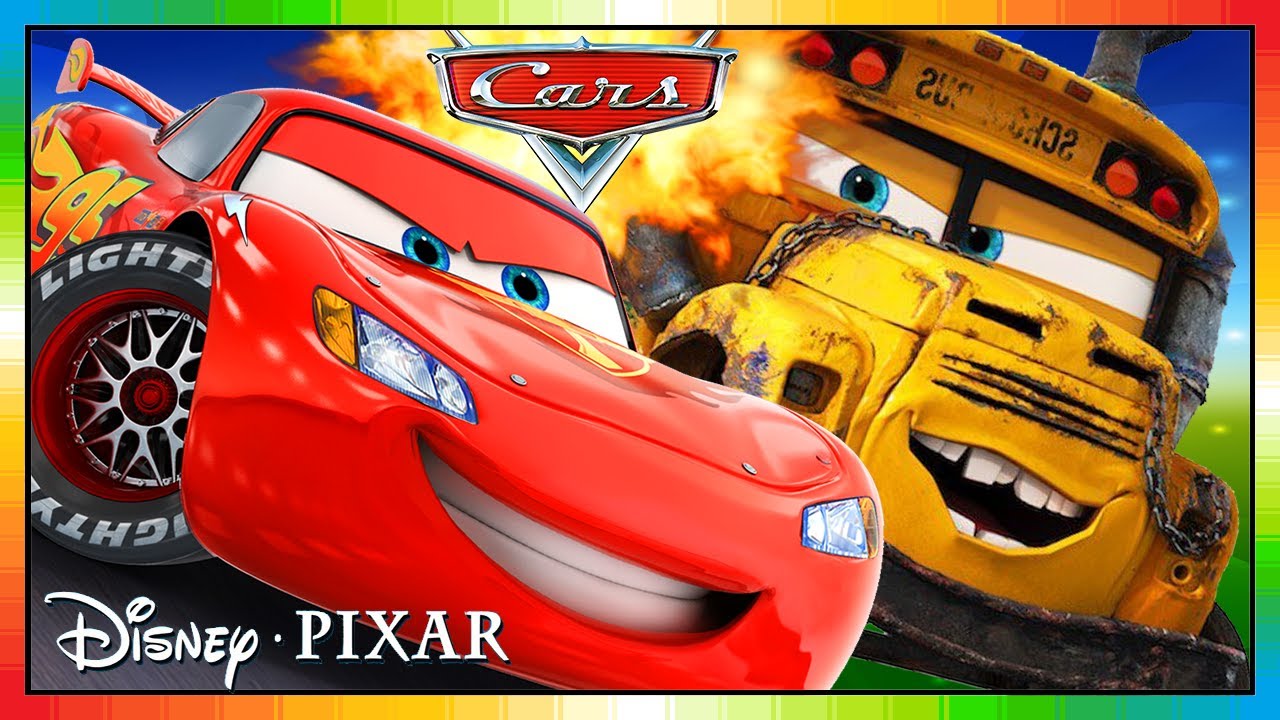
It feels like forever ago. Honestly, if you were a kid in the mid-2000s, you probably remember the red blur of Lightning McQueen everywhere—from lunchboxes to those weirdly shaped vitamins. But if you’re trying to pinpoint the exact moment the world met Mater and the gang, the answer isn’t just a single date on a calendar. When did Cars the movie first come out? Technically, it depends on whether you were a Hollywood VIP or a regular moviegoer waiting in line with a tub of popcorn.
The official wide theatrical release in the United States happened on June 9, 2006.
But that’s not the whole story. Pixar didn't just drop it into theaters without a massive celebration. The film actually had its world premiere more than two weeks earlier, on May 26, 2006, at the Lowe's Motor Speedway in Concord, North Carolina. It was a massive event. They set up giant screens on the track. It was loud. It was flashy. It was everything you’d expect from a movie that was basically a love letter to American car culture and the dying nostalgia of Route 66.
Why 2006 Was a Massive Turning Point for Pixar
By the time 2006 rolled around, Pixar was already the king of the mountain. They had Toy Story, Finding Nemo, and The Incredibles under their belt. Everyone expected magic. But Cars was different. It was John Lasseter’s passion project. He took a cross-country road trip with his family in 2000, and that trip birthed the idea of Radiator Springs.
When Cars first came out in June 2006, it wasn't just another cartoon. It was a technical marvel. The "ray tracing" used to create the reflections on the cars’ metallic surfaces was groundbreaking at the time. It took forever to render. We’re talking an average of 17 hours per frame. Think about that. One second of film has 24 frames. You do the math. It’s a staggering amount of computing power for 2006.
It opened at number one. Obviously. It pulled in over $60 million in its opening weekend in the U.S. alone. While some critics were a bit lukewarm compared to the universal praise for Wall-E or Up later on, the audience didn't care. Kids lost their minds. Parents appreciated the Paul Newman voice acting. It was a hit.
The Long Road from Concept to Premiere
Development started way back in 1998. Back then, it was called The Yellow Car. It was about an electric car in a gas-guzzling world. Things changed. The story evolved into the "Piston Cup" journey we know today.
- Late 1990s: Early concepts and storyboarding began.
- 2001: The project was officially titled Cars.
- May 26, 2006: The world premiere at Lowe’s Motor Speedway.
- June 9, 2006: The wide U.S. theatrical release.
- Late 2006: International rollouts in the UK, Australia, and beyond.
The timing was interesting. It was the last Pixar film produced independently before Disney officially bought the studio. That’s a huge piece of trivia. It marked the end of an era and the beginning of the massive Disney-Pixar conglomerate we see today.
What People Get Wrong About the Cars Release
A lot of people think Cars was an instant critical darling like Toy Story. Not quite. It was actually one of the first Pixar movies to get "mixed" reviews—if you can call 74% on Rotten Tomatoes mixed. People thought the plot was too similar to the 1991 Michael J. Fox movie Doc Hollywood.
But here is the thing. Cars didn't need a 100% critic score to win. It had the merch.
The merchandising for Cars was—and is—insane. By 2011, it had generated over $10 billion in global retail sales. That’s "Star Wars" level money. So, when did Cars the movie first come out? It came out right at the perfect moment to capitalize on the transition from VHS to DVD dominance, and it stayed in the public consciousness because of those die-cast toys.
The Voices Under the Hood
You can't talk about the 2006 release without mentioning the cast. Getting Owen Wilson to play Lightning McQueen was a stroke of genius. He brought that "wow" factor and a certain likable arrogance that made the character's growth feel real.
Then you had Larry the Cable Guy as Mater. In 2006, Larry the Cable Guy was at the absolute peak of his "Blue Collar Comedy" fame. His casting was a massive draw for families in the Midwest and South, grounding the movie in a very specific Americana vibe. And, of course, the legendary Paul Newman as Doc Hudson. This was Newman’s last non-documentary role before he passed away in 2008. His performance gave the movie a weight and soul that most "kids' movies" just don't have.
The Cultural Impact of the Summer of 2006
The summer of 2006 was a weirdly great time for movies. You had Pirates of the Caribbean: Dead Man's Chest and The Da Vinci Code. Cars had to fight for its space.
It did more than just sell tickets. It actually revitalized interest in the real-life Route 66. Towns like Seligman, Arizona, and characters like Angel Delgadillo (the "Guardian Angel" of Route 66) were huge inspirations for the film. When the movie came out, it brought a wave of tourists back to these "forgotten" bypass towns. It’s rare for an animated film to have a measurable impact on actual American geography, but Cars managed it.
International Release Dates
While the U.S. got it in June, the rest of the world had to wait. Usually, this was due to dubbing or local marketing windows.
- Australia: June 8, 2006.
- Brazil: June 30, 2006.
- United Kingdom: July 28, 2006.
- Germany: September 7, 2006.
- Japan: July 1, 2006.
If you lived in Europe, you were dodging spoilers for months. In today’s world of global day-and-date streaming releases, that feels like ancient history. Back then, you just had to wait and hope no one told you who won the Piston Cup. (Spoiler: Nobody, technically?)
Why We Still Talk About June 2006
The legacy of that June 2006 release is still felt at Disney California Adventure. "Cars Land" is a near-perfect recreation of Radiator Springs. It opened in 2012, but it was all based on the world-building that happened in the mid-2000s.
Looking back, the movie was a bridge. It bridged the gap between the old-school hand-drawn feel of early CGI and the ultra-realistic textures we see now. If you watch it today on 4K Blu-ray, it still looks surprisingly good. The lighting in the desert scenes? Gorgeous. The dirt kicks up just right. The character designs, where the eyes are in the windshield instead of the headlights—a choice that John Lasseter insisted on—made the cars feel like characters instead of just vehicles with faces.
The Piston Cup and Beyond: What to Do Now
If you’re feeling nostalgic for 2006, or if you’ve got a kid who’s just discovered Lightning McQueen, there’s a lot more than just the first movie to dig into. The franchise didn't stop in Radiator Springs.
First, go back and watch the original. It’s on Disney+. Notice the small details, like the "ornamental" flies that are actually tiny VW Bugs with wings. It’s that Pixar attention to detail that makes the 2006 release hold up.
Next, check out the Cars Toons: Mater's Tall Tales. They’re short, funny, and honestly better than Cars 2 (we don't talk about Cars 2 as much, for good reason).
Finally, if you’re a real nerd for the history, look up the documentary The Inspiration for Cars. It’s often included in the bonus features. It shows the actual road trips the crew took and the real people who inspired characters like Sally Carrera and Fillmore. It makes the 2006 release feel even more special when you see the heart behind it.
The movie didn't just "come out." It drove into a very specific part of the American psyche and parked there. Whether it’s the 2006 release date or the 2026 anniversary, Lightning McQueen isn't slowing down anytime soon. Ka-chow.
Actionable Next Steps:
- Check the Version: If you're re-watching, look for the 4K HDR version; the 2006 animation style benefits immensely from the increased color depth, especially during the neon-lighting scene in Radiator Springs.
- Identify the Easter Eggs: Keep an eye out for the "Dinoco" brand, which first appeared in Toy Story (1995), bridging the gap between Pixar’s first hit and this 2006 classic.
- Visit the Source: If you're ever near Kingman, Arizona, or Peach Springs, take a drive on the remaining segments of Route 66 to see the real-life inspiration for the "Mother Road" depicted in the film.