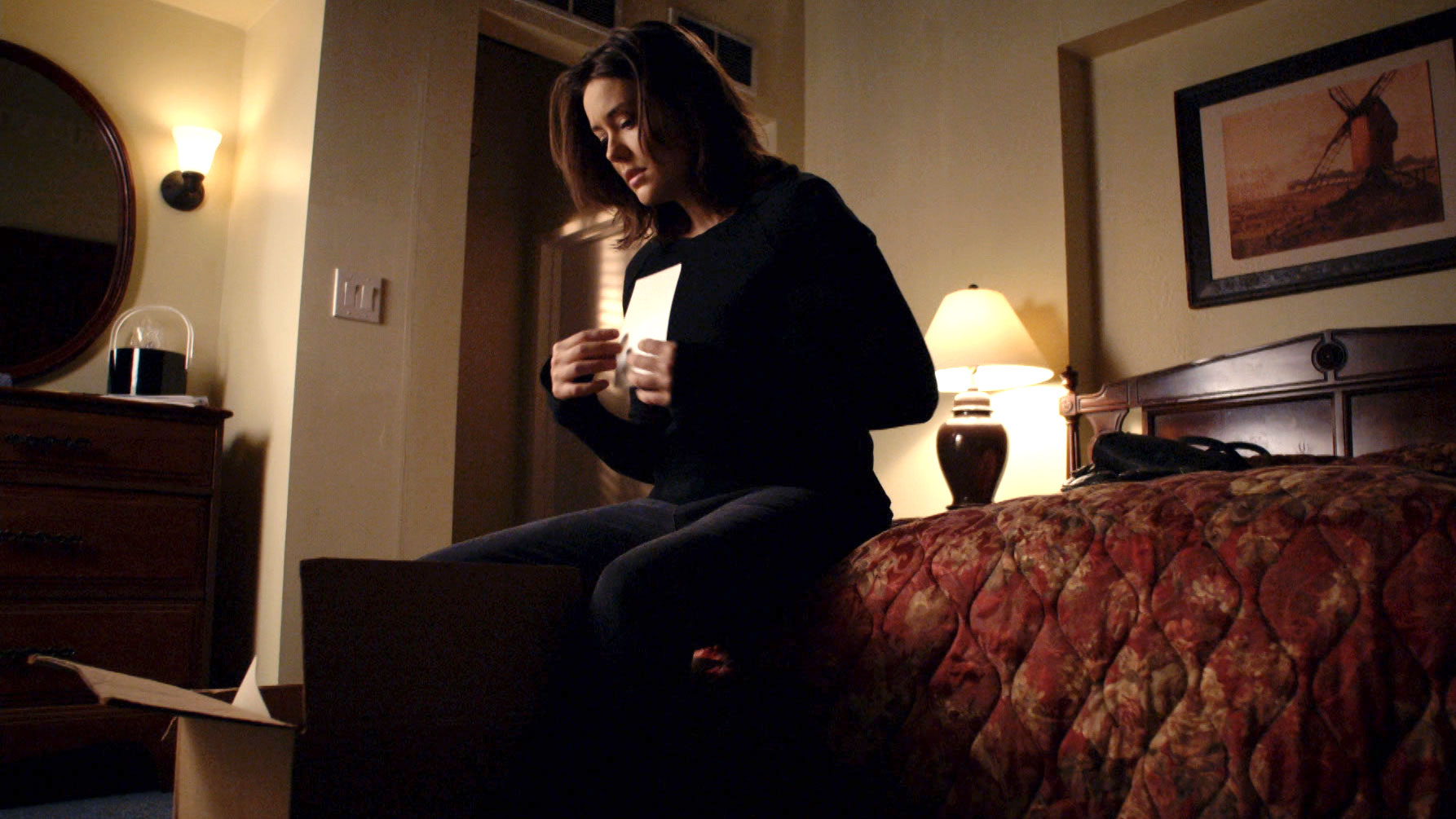
Raymond Reddington didn't just walk into the FBI with a list of names; he walked in with a death sentence hanging over the most powerful people on the planet. If you watched the early seasons of the show, you know everything eventually circled back to one mysterious object. The Fulcrum in The Blacklist wasn't just a MacGuffin or a shiny plot device to keep us clicking "Next Episode." It was the ultimate insurance policy.
Honestly, for a long time, viewers were as confused as Elizabeth Keen. We saw the suitcase, the key, the cypher, and that weird little interface, but the "what" and the "why" took years to fully untangle.
The Deadly Black Box Explained
At its core, the Fulcrum was a blackmail file. Simple as that. But it wasn't just a folder of grainy photos or some leaked emails. It was a massive, decrypted archive detailing the illegal activities of The Cabal, a shadow government consisting of world leaders, intelligence directors, and corporate titans who basically treated the Cold War like a chess game they were playing against themselves.
The Cabal wanted to return the world to a bipolar state of conflict because, well, war is profitable. They were the ones pulling the strings behind major global catastrophes. The Fulcrum was the only thing stopping them from killing Raymond Reddington on sight.
It’s kinda brilliant if you think about it. Reddington spent decades pretending he had the "full" Fulcrum ready to release if he ever died. In reality? He didn't even have all the pieces. He was bluffing the most dangerous people in the world for twenty years.
The Four Pieces of the Puzzle
The Fulcrum wasn't just one item. It was a modular system designed by Leonard Caul—a former CIA agent who specialized in deep-cover communications. To actually see the data, you needed four specific components:
- The Cipher Text: This was the actual data, stored on a small, rectangular object that looked like a piece of high-tech jewelry.
- The Key: A silver, ornate key used to activate the interface.
- The Interface: A bulky, retro-looking device that acted as the "reader" for the data.
- The Activating Device: Often referred to as the "bubble module," this was the piece Liz found hidden inside her old stuffed rabbit.
Think about the sheer paranoia required to build that. You had to hide four separate physical objects across the globe just to keep a secret. Reddington had some of it, Alan Fitch (played by the incredible Alan Alda) knew about parts of it, and Liz had the final piece without even knowing it existed since she was four years old.
Why the Cabal Feared the Fulcrum
You’ve gotta understand the stakes here. The Cabal wasn't just a group of bad guys; they were the "Director" of the Clandestine Services, the "National Security Advisor," and high-ranking officials in the Russian government. If the Fulcrum went public, they wouldn't just go to jail. They would be executed for treason or torn apart by the public.
When Liz finally assembled the device in Season 2, it didn't just show a few names. It projected a massive digital map of interconnected crimes—assassinations, rigged elections, and manufactured terror attacks.
The most iconic moment? When Reddington is shot, and Liz takes the Fulcrum to the Director (Peter Kotsiopulos). She shows him the display and basically says, "Your move." For the first time, the untouchable Cabal looked vulnerable. It shifted the power dynamic of the entire series. It turned Liz from a victim of circumstances into a legitimate player in the criminal underworld.
The Leonard Caul Connection
You can't talk about the Fulcrum without mentioning Leonard Caul. He’s one of those characters who pops up and instantly makes the show better. He was the one who actually wrote the encryption for the Fulcrum.
When Reddington was incapacitated after being shot by a sniper, Caul was the only person who could help Liz make sense of the data. His existence was proof of how deep the conspiracy went. He was a ghost, a man who didn't exist in any database, yet he held the "keys to the kingdom."
The relationship between Caul and Reddington showed that Red didn't just work with criminals; he worked with the architects of the system itself. This is where the show really hit its stride, blending spy thriller tropes with that weird, procedural energy we loved.
Was the Fulcrum Real?
In the context of the show, absolutely. In the real world? It's heavily inspired by "dead man’s switches" used by whistleblowers like Edward Snowden or Julian Assange. The idea that a single individual can hold a "poison pill" of data that prevents the government from acting against them is a very real concept in modern geopolitics.
The Blacklist just made it more cinematic by turning it into a physical puzzle.
Common Misconceptions About the File
People often get confused about who actually wrote the Fulcrum. Some think it was Reddington. It wasn't. It was compiled by Katarina Rostova and her associates. Katarina was the one who originally stole the information from the Cabal, intending to use it as leverage.
Another big mistake is thinking the Fulcrum was the same thing as the Sikorsky Archive. They are different. The Fulcrum was specifically about the Cabal's activities leading up to the 1990s. The Sikorsky Archive, which became the focal point in later seasons (like Season 8), was a much broader intelligence network that laid the foundation for Reddington’s entire empire.
Basically:
- The Fulcrum: A tactical weapon used to stop a specific group (The Cabal).
- The Sikorsky Archive: A strategic asset used to build a global intelligence network.
The Legacy of the Fulcrum
By the time we got to the later seasons, the Cabal was mostly dismantled. The Director was dropped from a plane (literally), and the organization’s leadership was gutted. So, did the Fulcrum lose its meaning?
Not really. The Fulcrum was the catalyst for Elizabeth Keen’s descent into darkness. It was the first time she realized her father—or the man she thought was her father—wasn't just a criminal, but a revolutionary of sorts. It forced her to choose between the law and the truth.
Looking back, the Fulcrum era of The Blacklist was arguably its peak. It had a clear antagonist, a clear goal, and a mystery that actually paid off. It wasn't just about "who is Raymond Reddington?" It was about "what is the world actually built on?"
Actionable Insights for Fans and Writers
If you’re revisiting the series or writing your own thriller, there are a few key takeaways from the Fulcrum storyline that still hold up today.
First, physicality matters. In a world of digital clouds, having a physical "key" and "interface" made the stakes feel tangible. It gave the characters something to chase, hide, and bleed for. If you're building a mystery, give the audience something they can visualize.
Second, leverage is only useful if people believe you'll use it. Reddington’s greatest strength wasn't the data; it was his reputation. He convinced everyone for two decades that he was ready to burn the world down, even when he was holding an empty hand. That’s a masterclass in psychological warfare.
Finally, understand the difference between a secret and a mystery. A secret is something one person knows (Reddington’s identity). A mystery is something the audience can participate in solving (The pieces of the Fulcrum). The Blacklist worked best when it gave us mysteries we could actually piece together alongside the characters.
To truly understand the weight of the Fulcrum, you have to watch the transition between Season 2, Episode 10 ("Luther Braxton: Conclusion") and Season 2, Episode 19 ("Leonard Caul"). That stretch of television perfectly encapsulates the tension of having the world's most dangerous secret tucked inside a child’s toy.
The Fulcrum eventually did exactly what it was designed to do: it broke the Cabal's back. But in doing so, it also broke the life Elizabeth Keen had tried so hard to build. That’s the real tragedy of the device. It saved her life, but it destroyed her future.
To dig deeper into the lore, focus on the episodes involving The Director and Alan Fitch. Their dialogues provide the most honest look at what the Fulcrum represented—not just a list of names, but the end of an era of managed chaos. Watch closely for the scene where Fitch tells Red about the "safe in St. Petersburg." It's the moment the entire show shifts from a simple crime drama into a high-stakes geopolitical epic.