Eiichiro Oda is a madman. I mean that in the best way possible, obviously. For nearly thirty years, he’s been building a world so dense that you practically need a PhD to keep track of the bloodlines, fruit powers, and political coups. But there’s one topic that always sets the fandom on fire, usually leading to screaming matches on X or long-winded Reddit threads: One Piece black characters. Some fans claim they don't exist because it's a "fantasy world." Others point to every tanned skin tone as proof of representation. The truth is actually a lot more interesting than a simple yes or no.
It’s complicated. Oda doesn’t use our world’s racial labels, but he definitely uses our world's aesthetics.
Look at Usopp. Right from the start, in the SBS (Shueisha's "Question and Answer" column), a fan asked what the Straw Hats' nationalities would be in the real world. Oda didn't hesitate. He said Usopp would be from Africa. Does that make him "Black" in the context of the Grand Line? Not exactly, because "Africa" doesn't exist there. But for us, the readers? It’s a massive signal. It’s about the hair texture, the features, and that specific energy Oda gives to characters who aren't just the standard "anime pale."
The SBS Nationality Reveal and Why It Sparked the Debate
The SBS Volume 56 is basically the Bible for this conversation. When Oda assigned real-world countries to the crew, people lost it. Luffy was Brazil. Zoro was Japan. Robin was Russia. But Usopp being linked to Africa changed the way fans viewed his design. Suddenly, those fuller lips and the curly hair weren't just "quirky design choices." They were intentional markers of identity.
It matters because representation in shonen manga has historically been... let's say "rough." Often, characters of color were relegated to offensive caricatures or background muscle who got defeated in one panel. Oda does something different. He makes these characters central to the emotional core of the story.
Take a look at the Lunarians. King (Alber) is a powerhouse. When his mask finally broke, we saw a man with dark skin, white hair, and black wings. He wasn’t just a cool-looking villain; he was the survivor of a literal genocide. His skin color and his heritage were tied directly to the "God" status of his people and their subsequent fall. You can't separate King's appearance from his tragedy. That’s high-level writing, honestly. It’s not just "diverse" for the sake of a checklist. It’s integral to the lore of the Void Century.
Beyond Skin Deep: The Soul of the Character
Sometimes it’s not just about the pigment. It’s about the vibe.
Brook is an interesting case. He’s a literal skeleton, so skin tone is out the window. But his entire aesthetic is rooted in Soul, Jazz, and Rock and Roll. He’s the "Soul King." In the same SBS mentioned earlier, Oda said Brook would be from Austria, which confuses some people who see his Afro and musical roots as a clear nod to Black culture. But that’s the beauty of how Oda builds characters. He mixes influences like a chef. You get the classical music background of Vienna paired with a hairstyle and musical "soul" that feels deeply connected to the African Diaspora.
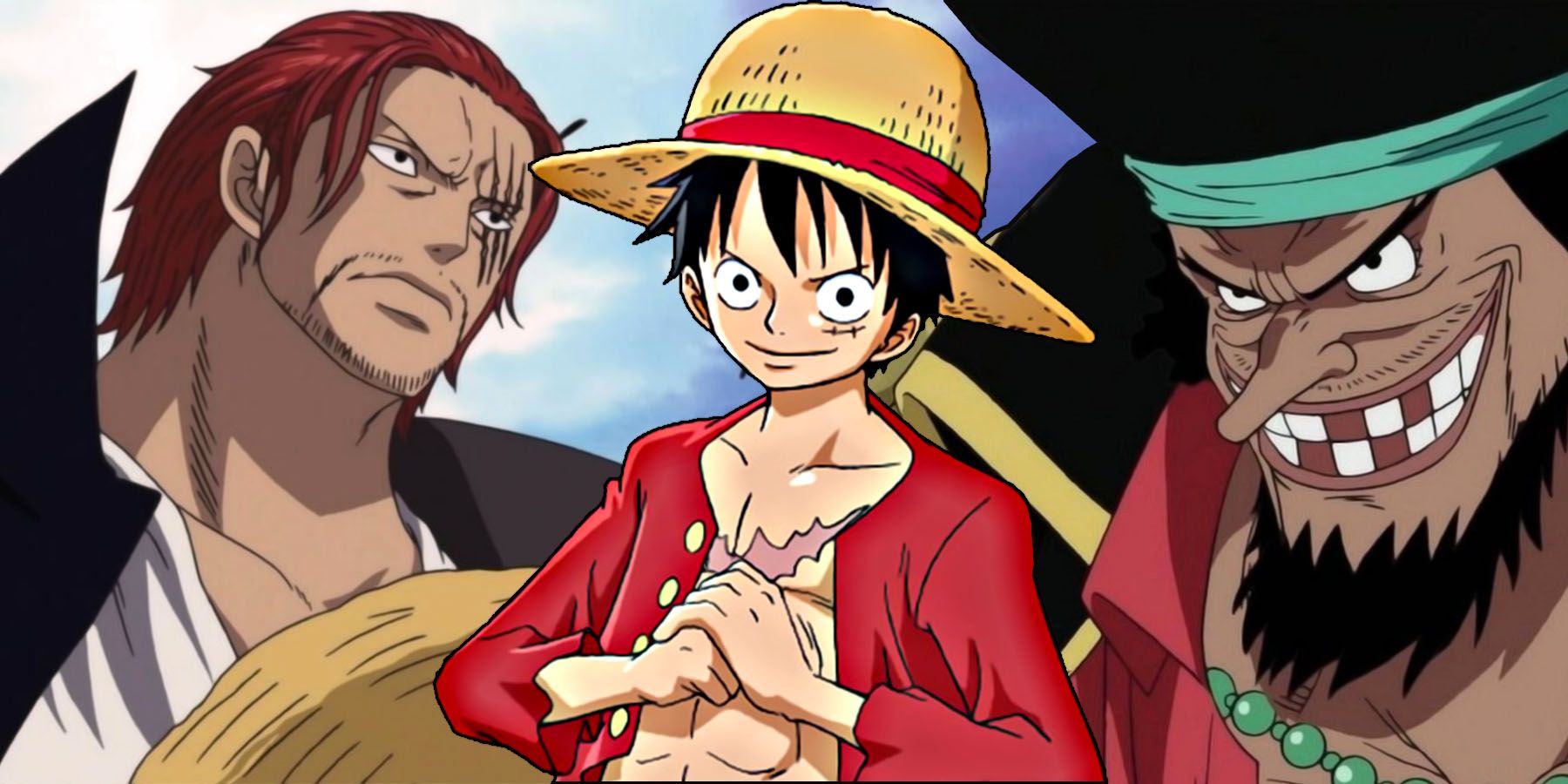
Then you have the heavy hitters like Blackbeard. Marshall D. Teach is the ultimate antagonist. Oda stated he’d be Somali. Think about that for a second. The most complex, dangerous, and arguably "free" pirate in the series—the dark mirror to Luffy—is coded as East African.
Characters often identified by the community:
- Usopp: Confirmed African roots via SBS.
- Mr. 5 (Gem): Rocking the dreadlocks and a very specific 90s urban aesthetic.
- Daz Bonez (Mr. 1): Serious, stoic, and modeled with features that many fans identify as Black.
- King (Alber): The last of the Lunarians, possessing dark skin as a racial trait of his tribe.
- Kuzan (Aokiji): His design is famously based on the legendary Japanese actor Yusaku Matsuda, but his hair texture and tanned skin have led a massive portion of the Black community to claim him as their own.
Kuzan is a great example of the "coding" vs. "literal" debate. If you look at Matsuda, he’s clearly Japanese. But Kuzan’s relaxed, "Lazy Justice" attitude and his cool-as-ice demeanor have made him a staple in Black anime culture. It’s about resonance.
The Fishman Island Allegory
We have to talk about the Sun Pirates. If you want to see where Oda really rolls up his sleeves and tackles race, look at Fisher Tiger and Queen Otohime.
The Fishman Island arc is a massive, sprawling metaphor for the Civil Rights Movement and the struggle against systemic oppression. You have Fisher Tiger, who is essentially the Malcolm X figure—fed up, radicalized by his own enslavement, and seeking a world where his people don't have to hide. Then you have Otohime, the Martin Luther King Jr. figure, preaching non-violence and integration even when it feels impossible.
The "Black" experience is written all over this arc. The Sun Pirates tattoo? It was designed to cover the "Hoof of the Soaring Dragon," the mark of the Celestial Dragon slaves. They turned a mark of shame into a symbol of pride and sun-bright liberation. Even if the characters are literal fish-people, the themes of "passing" for human, the cycle of hatred, and the trauma of slavery are 1:1 reflections of real-world history.
It’s heavy stuff. Oda doesn't shy away from the fact that even Fisher Tiger, a hero, couldn't fully cleanse the "demon" of prejudice from his own heart. He died because he couldn't bring himself to accept a blood transfusion from a human. That is a heartbreakingly human ending for a fishman.
Why "Coded" Matters More Than "Confirmed"
In manga, "race" is often a fluid concept. But for fans, seeing someone who looks like them in the most popular story on the planet is a big deal.
The "One Piece black characters" conversation isn't just about checkboxes. It's about the fact that Oda treats these characters with a level of dignity and "cool factor" that was rare when the series started in 1997. Look at Lucky Roux from the Red Hair Pirates. He's always eating, sure, but he's also the guy who fired the first shot in the series, proving that pirates aren't playing games.
Look at Yasopp. He’s the elite sniper of a Yonko crew. He has dreads (or locs, depending on the animation era) and a swagger that is undeniable. He isn't a sidekick. He’s a legend in his own right.
The Live Action Shift
The Netflix One Piece live-action series changed the game. When Matt Owens and the team cast Jacob Romero Gibson as Usopp, it wasn't just "diversity casting." It was following Oda’s original vision to the letter. Seeing a Black actor bring Usopp to life—complete with the goggles and the bravado—solidified the character's identity for a whole new generation of fans.
It also ended a lot of the "is he or isn't he" debates. When the creator says a character is from Africa, and the live-action show casts a Black man, the debate is pretty much over.
But it’s not just Usopp. The live-action series cast Black actors for Nojiko, Mr. 7, and even some of the marines. It made the world of One Piece feel as vast and varied as the one we actually live in. It felt right. It felt like the "all-blue" of casting.
What People Get Wrong
The biggest mistake fans make is trying to apply American racial binary logic to a Japanese series. Oda is looking at the world through a global lens. When he draws a character with dark skin, he might be thinking of someone from the Caribbean, Africa, South Asia, or the Indigenous populations of the Pacific.
For example, many fans view the residents of Jaya or the Shandia as Black or Indigenous. Their struggle for their homeland (Upper Yard) mirrors the struggles of colonized people everywhere. Oda is obsessed with history—specifically the history of the oppressed. That’s why his characters of color usually have the most "weight" in terms of their backstories. They aren't just there to fill a frame; they are there to represent the grit and resilience of people who refuse to be erased.
Honestly, the sheer variety is what makes it work. You have:
- The High-Tier Badasses: Like King or Kuzan.
- The Emotional Hearts: Like Usopp or Fisher Tiger.
- The Pure Villains: Like Blackbeard or Daz Bonez.
They aren't a monolith. They’re just people (or giants, or fishmen) navigating a world governed by a corrupt World Government.
How to Engage with One Piece as a Fan of Color
If you’re looking for representation in One Piece, don't just look at the skin tone. Look at the themes. Look at the way Oda handles the concept of "The Will of D" and the idea that your heritage doesn't define your destiny—but it sure as hell gives you the strength to fight.
The series is a celebration of freedom. For many Black fans, that message of "liberation" hits differently. Luffy is the "Warrior of Liberation," Sun God Nika. In the latest arcs, we’ve learned that Nika was a figure worshipped by slaves in ancient times. The connection between the "Drums of Liberation" and the history of slave spirituals and resistance music is too loud to ignore.
Actionable Takeaways for the Fandom
If you want to dive deeper into this, stop just scrolling through fan art and start looking at the sources.
- Read the SBS: Specifically volumes 4, 56, and 99. Oda drops crumbs about character origins there that clarify a lot of design choices.
- Study the Inspirations: Look up the actors and historical figures Oda likes. He’s a huge fan of world cinema and music. You’ll see the fingerprints of soul legends and international rebels all over the Grand Line.
- Support Black Creators in the Space: There are amazing analysts like RogersBase, GrandLineReview, and various Black cosplayers and essayists who have been articulating these connections for years. Their perspective adds layers to the story you might miss if you're only looking at the surface.
- Watch the Skypeia and Fishman Island Arcs again: This time, focus on the politics of land and blood. It’s a masterclass in how to write about race without using the word "race."
One Piece doesn't need to be "fixed" to be inclusive. It’s been building a diverse, rebellious, and deeply "colored" world since Day 1. You just have to be willing to see it. Oda’s world is big enough for everyone, especially those who have been told they don't belong. The drums of liberation are beating—you just have to listen.
Next Steps for the Savvy Fan
To truly appreciate the nuances of Oda's character designs, start comparing the "Real World Nationalities" list from the SBS to the actual cultural architecture found in each arc. For instance, notice how the architecture of Dressrosa (Spain) contrasts with the tribal influences of the Shandia. This helps you distinguish between when Oda is being "literal" with a character's heritage and when he is using a "coded" aesthetic to tell a deeper story about power and resistance.