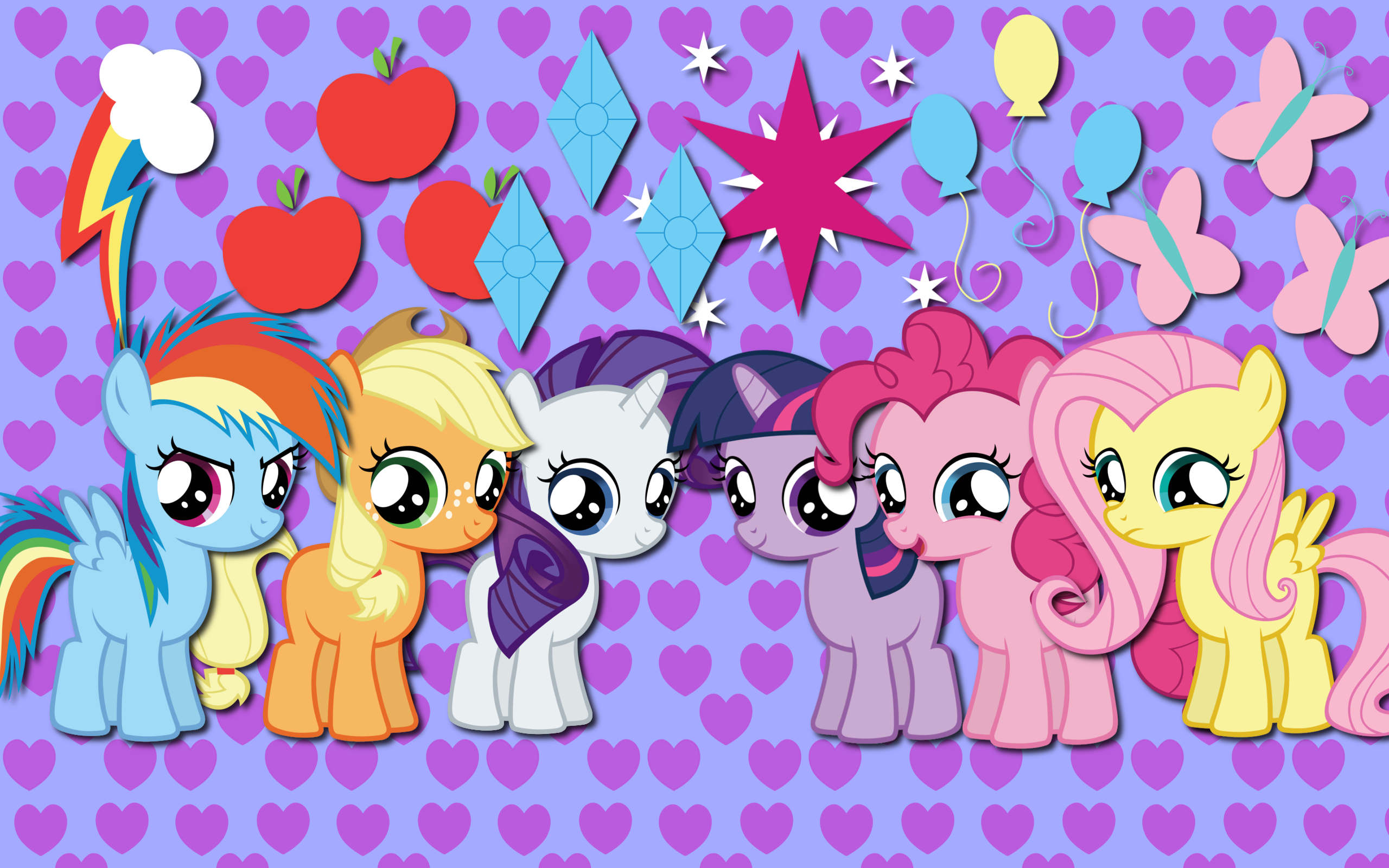
Ever tried watching Pinkie Pie burst into a high-pitched C-Pop inspired musical number while browsing Bilibili? It’s a trip. If you’ve spent any time looking into the My Little Pony Chinese landscape, you know it isn’t just a simple case of dubbing English lines into Mandarin. It’s a massive, multi-layered cultural phenomenon that spans high-stakes business deals, specific censorship tweaks, and a fandom that honestly puts Western "Bronies" to shame in terms of sheer creative output.
China loves the ponies. But the way they love them is different.
While US audiences were watching Friendship is Magic on Discovery Family, the Chinese market was navigating a complex web of streaming rights involving giants like Tencent Video, iQIYI, and Youku. It wasn't just about the show. It was about the "Little Pony" (小马宝莉 - Xiǎomǎ Bǎolì) brand becoming a staple of childhood education and fashion. You see it on backpacks in Shanghai and in high-end pop-up cafes in Guangzhou. But how did it get so big, and what did the localization teams actually change to make it stick?
The Localization Maze of My Little Pony Chinese Dubs
Translating a show like MLP isn't as easy as swapping words. You have to deal with puns. Pinkie Pie lives for puns. In the My Little Pony Chinese dubs, specifically the Mainland Mandarin version produced for CCTV and later streaming platforms, the translators had to get creative.
Take the names. They aren't literal. Twilight Sparkle became Zǐyuè (紫悦), which translates roughly to "Purple Joy" or "Purple Delight." It sounds more like a traditional name while keeping the color coding intact. Rainbow Dash became Yúnbǎo (云宝), or "Cloud Treasure." These names carry a certain weight in Chinese that the English versions don't quite capture. They sound "cuter" to the local ear, hitting that moe or meng aesthetic that drives merchandise sales.
Then there is the voice acting. The Mainland Mandarin dub is often criticized by hardcore fans for being a bit "stiff" compared to the original, but the Taiwanese dub? That’s a whole different vibe. The Taiwanese version (often seen on YoYo TV) uses much more expressive, almost manic energy that fits the G4 spirit better. If you’re a collector looking for the "authentic" experience, you usually have to choose between the more formal Mainland style or the high-energy Taiwanese flair.
Why Censorship Isn't Always What You Think
People always ask about censorship. Did China cut out the "scary" parts? Not really. Most of the edits in the My Little Pony Chinese releases were actually about time slots and commercial requirements rather than scrubbing content. However, there are nuances. Themes of "magic" are generally fine in Western-style fantasy cartoons in China, but anything that could be interpreted as organized religion or specific types of rebellion sometimes gets a softer touch in the translation.
Interestingly, the "discord" (not the character, the concept) in the show is often framed more as "disharmony" in a social sense. In a culture that prizes social harmony, the lessons about friendship take on a slightly more "civic duty" tone. It’s subtle. You won’t notice it unless you’re looking for it, but the "Elements of Harmony" align surprisingly well with certain traditional Chinese values regarding collective well-being over individual ego.
The Bilibili Fandom and the "Brony" Equivalent
Forget what you know about Western fan forums. If you want to see the real heart of the My Little Pony Chinese community, you go to Bilibili. This is the "YouTube of China," and it is absolutely crawling with pony content. We’re talking high-budget fan animations, localized "Ponyphonic" songs, and deep-dive lore analysis that treats Celestia’s political maneuvers like a dynastic history lesson.
The fans call themselves "Xiao Ma Mi" (小马迷).
They don't just watch the show. They remix it. Because of the way copyright works—or doesn't work—in certain corners of the Chinese internet, fan-made games and localized mods of Western games with MLP skins are everywhere. I've seen full-blown "Three Kingdoms" style strategy games where the generals are replaced by Applejack and Fluttershy. It's weird. It's brilliant. It's totally unique to that market.
The Merchandise Explosion
You can't talk about the Chinese market without talking about the toys. Hasbro realized early on that China was a goldmine, but they had to compete with "grey market" knockoffs. To combat this, they released China-specific sets.
- Year of the Horse Specials: These are legendary among collectors.
- New Year Red Packets: Limited edition envelopes featuring the Mane Six.
- High-Fashion Collabs: Brands like Moschino are big in China, and the MLP crossovers hit the high-end malls in Beijing hard.
In 2021, when My Little Pony: A New Generation (G5) launched, the rollout in China was massive. Netflix doesn't operate there, so the movie went straight to theatrical release and major local streamers. The character Izzy Moonbow actually trended on Weibo because her "glitter" aesthetic matched the "soft girl" (ruǎn mèi) fashion trends happening at the time.
Challenges for the Brand
It hasn't been all cupcakes and rainbows. Hasbro has faced stiff competition from local hits like Pleasant Goat and Big Big Wolf and Boonie Bears. These shows are homegrown and understand the local humor better than a localized American show ever could.
To stay relevant, the My Little Pony Chinese team had to lean heavily into the educational aspect. In China, parents are more likely to let their kids watch a show if they think they’re learning something. Consequently, many of the Chinese MLP apps and books focus heavily on English language learning. You’ll find "Learn English with Twilight Sparkle" books in almost every Xinhua Bookstore. It’s a brilliant move—turning a cartoon into a study tool to bypass the "screen time" guilt many Chinese parents feel.
The "Lost" Dubs and Media Preservation
There is a bit of a mystery regarding some of the early G1 and G3 dubs in China. While G4 (Friendship is Magic) is well-documented, the older generations of My Little Pony Chinese media are becoming "lost media." Many of the VCDs (Video Compact Discs) from the late 90s and early 2000s are rotting away in private collections.
Digital preservationists on sites like Tieba (a massive Chinese forum) are currently racing to digitize these old dubs. The voices are different, the songs are often completely rewritten to fit the syllable counts of Mandarin, and they offer a fascinating look at how China viewed Western imports before the internet age fully took over.
Actionable Insights for Collectors and Fans
If you're trying to dive into this world, whether for research or collecting, here is the reality of how to navigate it.
First off, if you’re looking for authentic Chinese merchandise, stay away from the generic "pony" listings on major international auction sites. Most of that is just bootleg factory overstock. Instead, you need to look for items specifically branded by Hasbro China or those sold through the official Tmall flagship stores. The quality difference is night and day.
For those wanting to watch the My Little Pony Chinese dubs for language practice, the iQIYI version is generally considered the "standard" Mandarin. It's clean, the subtitles are accurate, and the vocabulary isn't overly complex. It's actually a fantastic resource for intermediate Mandarin learners because the "Friendship Lessons" at the end of each episode provide a clear summary of the themes using repetitive, helpful sentence structures.
Lastly, keep an eye on Bilibili for the creative side. Even if you don't speak the language, the "Bullet Chat" (Danmu) feature shows you exactly how the audience reacts to specific moments in real-time. It’s a raw, unfiltered look at how a Western IP is consumed and transformed by a completely different culture.
Your Next Steps:
- Check Bilibili: Search for "小马宝莉" to see the latest fan animations and see how the Chinese community is reinventing G5.
- Language Learners: Find the "Lesson Zero" episode in Mandarin on YouTube or a Chinese streamer; the breakdown of Twilight’s "crazy" dialogue is a masterclass in expressive Mandarin.
- Collectors: Look for the "Golden" series figures exclusive to the Asian market, which often feature much higher paint quality than the standard US retail releases.