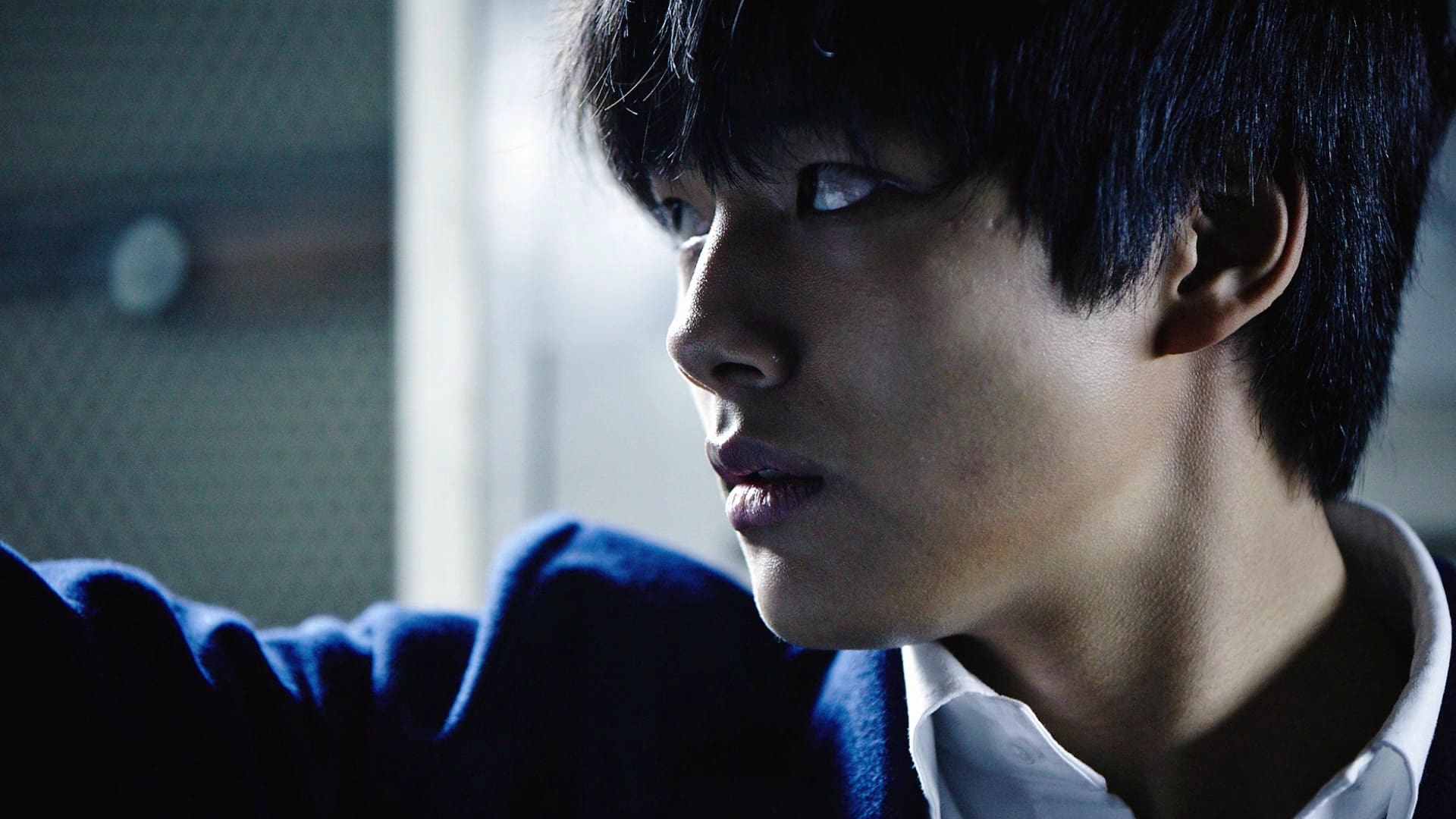
If you’ve spent any time in the dark, blood-splattered corners of South Korean cinema, you’ve probably heard of Hwayi: A Monster Boy. It’s one of those movies that sticks to your ribs. Not because it’s just another action flick—honestly, Korea produces those by the dozen—but because it asks a genuinely disturbing question: Can a child raised by monsters remain human?
Released in 2013, the film was the long-awaited sophomore effort from director Jang Joon-hwan. People had been waiting a decade for him to follow up his cult classic Save the Green Planet!, and he didn't exactly play it safe. He gave us a story about a boy with five fathers, all of whom are high-level criminals. It’s messy. It’s violent. And it’s surprisingly emotional.
The Boy with Five Fathers
Basically, the plot kicks off with a botched kidnapping. A gang known as the "Day Breakers" grabs an infant for a ransom scheme that goes sideways. Instead of "disposing" of the evidence, they keep him. They name him Hwayi.
Fast forward fourteen years, and Hwayi (played by a young, powerhouse Yeo Jin-goo) has grown up on a secluded farm. He doesn't go to school. He doesn't have friends his own age. Instead, he spends his days learning specialized skills from his five "dads."
- Seok-tae (Kim Yoon-seok): The terrifying leader who wants to "toughen" the boy up.
- Ki-tae (Cho Jin-woong): A stuttering driving expert who actually shows the boy genuine affection.
- Jin-seong: The tactical planner.
- Beom-soo: The guns expert.
- Dong-beom: A cold-blooded martial artist.
It’s a bizarre family dynamic. One dad is teaching him how to drift a getaway car while another is showing him how to snap a neck. Hwayi is polite, artistic, and seemingly stable, but he's haunted by visions of a literal monster. Seok-tae’s solution to these nightmares? Force the boy to become a monster himself.
When the Training Becomes Reality
Everything shifts when the gang takes Hwayi on his first real "job." Seok-tae forces the boy to pull the trigger on a man named Lim. It’s a baptism by fire, intended to break Hwayi's innocence once and for all.
But here's the twist that guts you: Hwayi discovers a photo in Lim's house. The man he just killed? That was his biological father.
The "fathers" who raised him didn't just save him from a botched crime; they stole his life and then forced him to destroy what was left of it. This realization flips the movie from a coming-of-age crime drama into a scorched-earth revenge thriller. Hwayi decides to use every single "gift" his fathers gave him to systematically take them down.
Why Yeo Jin-goo is the Real Deal
You can't talk about Hwayi: A Monster Boy without talking about Yeo Jin-goo. At the time, he was only about fifteen or sixteen years old. Most actors that age are playing the "younger version" of the lead in a K-drama.
Yeo carries this entire movie.
The transition from a shy, stuttering kid to a cold-eyed sniper is haunting. He won the Blue Dragon Film Award for Best New Actor for this role, and frankly, he earned it. You see the internal war on his face—the part of him that still loves the men who raised him vs. the part that knows they are irredeemable.
The chemistry between him and Kim Yoon-seok (who plays Seok-tae) is electric and toxic. Seok-tae isn't just a villain; he’s a man who believes that the only way to survive a monstrous world is to embrace the beast inside. He views Hwayi as his ultimate masterpiece.
The Nature vs. Nurture Debate
Critics and fans often argue about whether the film is too violent. Yeah, it’s gory. There’s a scene involving a cement factory that is particularly brutal. But the violence serves a point. Director Jang Joon-hwan is obsessed with how society—or in this case, a micro-society of criminals—shapes an individual.
Is Hwayi a monster because he was raised by them? Or is the "monster" just a manifestation of his trauma?
The film suggests that Hwayi's artistic side was his link to humanity, while the gun was his link to his "fathers." By the end, he’s a hybrid of both. He's a precision instrument of death who still carries the weight of his lost innocence.
Actionable Insights for Fans of the Genre
If you’re planning to dive into this movie, or if you’ve just finished it and need to process what you saw, here are a few things to keep in mind:
- Watch the "Fathers" Closely: Each of the five criminals represents a different aspect of Hwayi's personality. Ki-tae represents his capacity for love (even if it's warped), while Seok-tae represents his repressed rage.
- Look for the Monster: The CGI monster Hwayi sees isn't just a jump scare. Pay attention to when it appears and, more importantly, when it disappears. It’s a direct metaphor for his fear and his eventual acceptance of his own darkness.
- Check Out the Director’s Other Work: If you liked the "weirdness" of the story, you have to watch Save the Green Planet!. It's completely different in tone but shares the same DNA of exploring outcasts and extreme psychological states.
- Follow the Remake News: There have been talks of a U.S. remake for years, with names like Frida Torresblanco (Pan's Labyrinth) attached to produce. It’s worth keeping an eye on to see how Western audiences handle such a specifically Korean "father-son" tragedy.
Hwayi: A Monster Boy isn't a "feel-good" movie. It’s a "sit in silence for ten minutes after the credits roll" movie. It’s a masterclass in tension and a reminder that sometimes, the people who love us the most are the ones who do the most damage.
If you're looking for more gritty Korean cinema, your next logical step is to explore the works of Lee Chang-dong (who actually produced Hwayi) or dive into the "Vengeance Trilogy" by Park Chan-wook to see where this style of filmmaking found its roots.