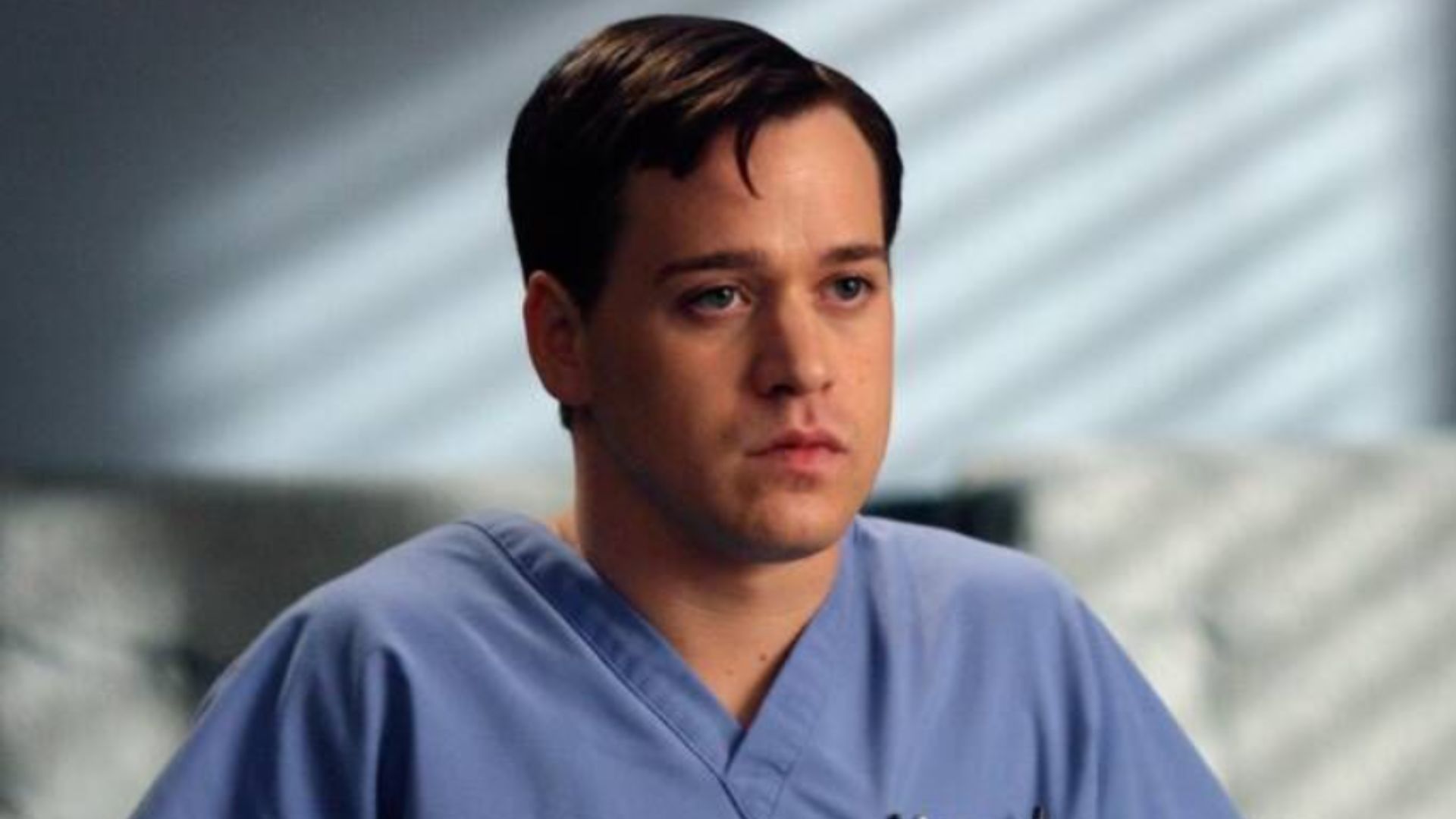
George O'Malley was the heart of the early years. He was the "007," the guy who licensed to kill his first patient but somehow became the intern we all rooted for the most. When you look back at the original Magic quintet—Meredith, Alex, George, Izzie, and Cristina—George was the glue. He wasn't the shark like Cristina or the tortured soul like Meredith. He was just George. Then, suddenly, he was a John Doe with a mangled face writing "007" in Meredith's palm. It was brutal.
The departure of T.R. Knight from Grey’s Anatomy remains one of the most controversial and discussed exits in television history. It wasn't just a creative choice. It was a messy, public fracture between an actor and a showrunner. If you’ve ever wondered why George O'Malley was essentially sidelined for an entire season before being hit by a bus, the answer lies in a mix of backstage drama and a fundamental breakdown in communication.
The 007 Legacy and the Slow Fade of George O'Malley
George started as the underdog. We saw him fail his intern exam, pine after Meredith in a way that was honestly a bit cringey in retrospect, and eventually find his footing as a trauma surgeon under Owen Hunt’s mentorship. But by Season 5, something felt off. If you rewatch those episodes, George is barely there. He has almost no screen time.
Fans noticed. T.R. Knight noticed too.
In various interviews, Knight was blunt about the "breakdown in communication" with Shonda Rhimes. He felt the character had run its course, or rather, that the writers had stopped caring about where George was going. He asked to be released from his contract early—a contract that reportedly had millions of dollars left on it. That’s a massive move. Most actors would just cash the check and wait for the writers to remember them. Knight didn't. He wanted out because he felt his screen time was dwindling and the creative direction was non-existent.
The Elephant in the Room: Isaiah Washington and the Slur
You can't talk about George O'Malley without talking about the 2006 incident. During an on-set argument with Patrick Dempsey, Isaiah Washington used a homophobic slur. While the slur wasn't directed at Knight specifically, it forced Knight's hand. He came out publicly shortly after.
"I think she [Rhimes] was concerned about me coming out so close to the incident," Knight told Entertainment Weekly at the time. He felt there was a push to keep his personal life quiet to avoid "distracting" from the show's narrative or the ongoing PR nightmare surrounding Washington. This created a rift. While Rhimes later denied that she discouraged him from coming out, the damage to the working relationship was done.
The tension lingered for years. By the time Season 5 rolled around, the "slow fade" of George O'Malley felt like a punishment to some, or at least a sign of total creative exhaustion. George went from being a lead to being a background extra who occasionally said "hey" in the hallway.
Why the Bus? The Creative Logic of a Brutal Death
When Knight finally got his wish to leave, the writers had a choice. They could have sent George to the Army. That was the setup, right? He joined the military to be a trauma medic. It was a perfect, honorable exit. He could have just disappeared into the sunset, maybe coming back for a guest spot five years later.
Instead, they hit him with a bus.
The shock value was off the charts. By making George unrecognizable as "John Doe," the show pulled off one of the greatest "gotcha" moments in TV history. It was heartbreaking. It was visceral. But was it necessary? Shonda Rhimes argued that it was the only way to make the exit impactful. If he just went to war, the audience would always be waiting for him to come back. By killing him, they closed the door. Permanently.
Except, of course, for that Season 17 beach dream sequence. Seeing an older, peaceful George on the beach with Meredith in 2020 (during the COVID-19 episodes) was the closure fans didn't know they needed. It softened the blow of the bus, but it took over a decade to get there.
The Ripple Effect on Grey's Anatomy
George’s death changed the show's DNA. It was the first time a "Core Five" member was killed off. It proved that no one was safe. It also shifted the dynamics of the remaining interns. Izzie Stevens, played by Katherine Heigl, lost her best friend, which arguably accelerated her own messy departure from the series.
Alex Karev had to step up. With George gone, Alex became the "softie" of the group, though he hid it under layers of sarcasm. The vacuum left by George allowed for the rise of characters like Jackson Avery and April Kepner, who brought a different energy to the hospital. But the show lost a specific kind of innocence when O'Malley died. He represented the person who cared too much, the guy who would stop to help a stranger cross the street—and, well, we know how that ended.
The Reality of Being "The Heart" of a Show
Actors leave shows for many reasons. Burnout. Money. Bad scripts. For T.R. Knight, it was about integrity. He didn't want to be a ghost on his own set.
"There comes a time when it's clear that moving on is the best decision," he said. It’s a brave thing to walk away from a hit show. Look at the ratings back then—Grey’s was a juggernaut. Every Thursday, millions of people tuned in to see what would happen at Seattle Grace. To walk away from that because you aren't happy with your character's arc? That’s rare.
George O’Malley was a character built on empathy. He was the one who performed heart surgery in an elevator. He was the one who held Bailey’s hand while she gave birth. He was "O'Malley, the bumbling intern," but he was also a hero.
Lessons from George O’Malley’s Arc
When we analyze George’s journey, there are a few things that stand out for any long-term fan or student of television writing:
- Character Stagnation is Fatal: Once a character stops growing, they become expendable. George’s lack of a clear storyline in Season 5 made his death feel inevitable in hindsight.
- Behind-the-Scenes Matters: You can't separate the art from the artist entirely. The friction between Knight and the production team directly influenced how George was written out.
- Shock vs. Story: Grey’s became known for its "disaster porn" (plane crashes, shootings, ferry boat accidents). George’s death set the template for the high-stakes, high-casualty environment the show became.
- The Power of a Legacy: Even though he’s been gone since 2009, George is still mentioned. His lockers, his mistakes, and his kindness are part of the lore. That’s good writing, even if the exit was messy.
If you’re revisiting the series, pay attention to the transition between Season 4 and Season 5. You can see the moment the writers "give up" on George. It's a fascinating study in how a major character can be marginalized before being erased.
For those looking to dive deeper into the history of the show, checking out the book How to Save a Life: The Inside Story of Grey's Anatomy by Lynette Rice provides even more context. It features interviews with the cast and crew that confirm just how tense things were during that era. It’s a reminder that what we see on screen is only half the story.
George O'Malley didn't just die to save a stranger. He died because the actor playing him needed to save himself from a professional situation that no longer served him. And honestly? That's the most "George" thing possible. He sacrificed his spot in the most famous hospital on TV so T.R. Knight could find peace elsewhere.
Essential Watchlist for George O'Malley Fans
If you want to relive the best (and worst) of George, these are the episodes that define him:
- "A Hard Day's Night" (Season 1, Episode 1): The "007" origin story.
- "Into You Like a Train" (Season 2, Episode 6): George shows his immense heart while helping a dying patient on a train.
- "It's the End of the World" / "As We Know It" (Season 2, Episodes 16-17): The bomb in the body cavity. George helps Dr. Bailey through labor while the hospital is in chaos.
- "Now or Never" (Season 5, Episode 24): The devastating reveal that John Doe is George.
- "You'll Never Walk Alone" (Season 17, Episode 4): The beach reunion that finally gave fans some peace.
George O'Malley remains a blueprint for the "relatable" TV character. He wasn't a god-tier surgeon from day one. He was a guy who worked hard, failed often, and loved deeply. Whether you loved him or found him annoying, you can't deny that Grey’s Anatomy was never quite the same after he jumped in front of that bus.
To understand the full impact of his departure, look at how the show evolved into a more cynical, darker version of itself. George was the last vestige of the "intern" energy—the wide-eyed belief that being a doctor was just about saving people. After him, it became about surviving the hospital itself.
Follow the trail of early cast interviews if you want the unfiltered truth about the 2000s-era set culture. It was a different time in Hollywood, and the "O'Malley Exit" was a catalyst for many of the changes in how sets handle conflict today. George might be gone, but the lessons from his departure are still being learned by showrunners everywhere.
Stay updated on current Grey’s Anatomy developments by following the official Shondaland blogs or industry trade publications like Variety and The Hollywood Reporter, which frequently feature retrospective interviews with the original cast members who paved the way for the show's 20-plus season run.