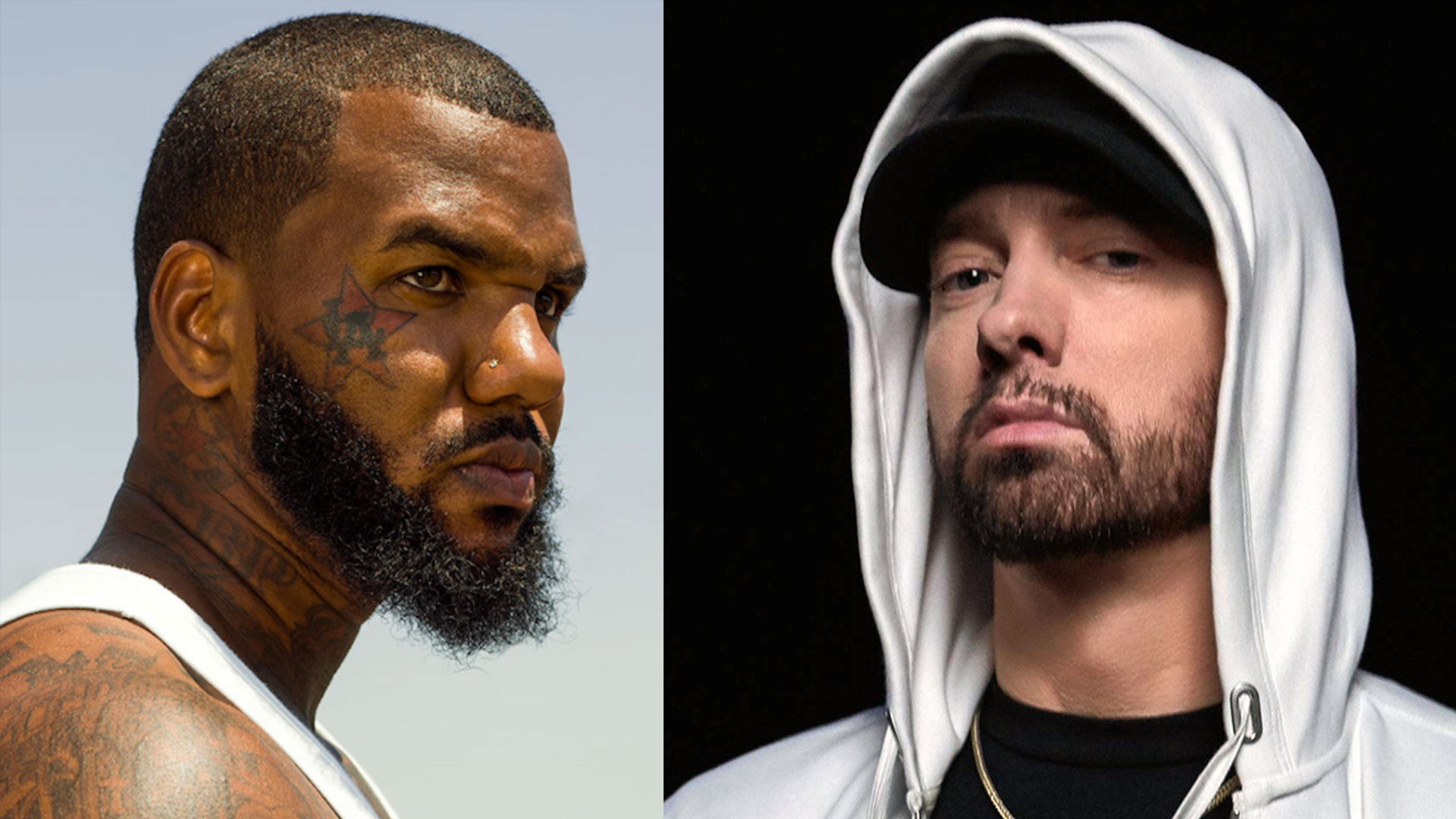
The internet is a weird place. One day you’re scrolling through your feed, and suddenly there’s a track titled final flame eminem diss blowing up your notifications. It sounds like him. It’s got that signature nasal grit, the rapid-fire multi-syllabic rhyme schemes, and enough venom to kill a small horse.
But here’s the thing: Marshall Mathers didn't write it.
Honestly, the "Final Flame" phenomenon is the perfect example of how AI is currently breaking the music industry. You’ve probably seen the YouTube thumbnails—dark, moody shots of Slim Shady with "2025" or "2026" plastered in neon letters. Fans are losing their minds in the comments, arguing about who he’s aiming at this time. Is it Benzino again? Is he finally finishing off MGK?
None of the above.
The Truth About the Final Flame Eminem Diss
Basically, this "song" is a ghost. There is no official release from Shady Records, Aftermath, or Interscope called "Final Flame." If you look at Eminem’s actual 2024 and 2025 catalog—including The Death of Slim Shady (Coup de Grâce)—it's nowhere to be found.
The track is almost certainly a fan-made creation using advanced AI voice models.
We’ve reached a point where tools like RVC (Retrieval-based Voice Conversion) can take a vocal performance from a random YouTuber and drape Eminem’s voice over it like a digital skin. It’s convincing. Scary, even. But when you peel back the layers, the songwriting usually lacks that specific "Em" logic.
Real Eminem disses, like "Killshot" or "The Sauce," are surgical. They reference specific, obscure facts about his enemies. They have a narrative arc. "Final Flame" tends to rely on "rap-ity rap" cliches—lots of words that sound fast but don't actually say much.
Why People Keep Falling for It
You can't really blame the fans.
Eminem is the king of the surprise drop. Since Kamikaze in 2018, he’s conditioned his audience to expect the unexpected at 12:00 AM on a Friday. So, when a video titled final flame eminem diss pops up, our collective Pavlovian response is to click and believe.
Also, the "beef" economy is booming. Whether it’s the Kendrick vs. Drake fallout or the never-ending Benzino drama, everyone is hungry for the next lyrical war. Scammers and content farmers know this. They use "Final Flame" as a catch-all title to drive millions of views to their channels, often monetizing through affiliate links or just pure ad rev.
How to spot the fake:
- The Beat: Real Em tracks usually have a high production value, often featuring Dr. Dre, Luis Resto, or White Gold. Fake tracks often use "Type Beats" from YouTube that sound generic.
- The Content: If the "diss" is just calling someone "trash" without specific personal insults that only Eminem would know, it's AI.
- The Official Channel Check: If it isn't on the "EminemMusic" YouTube channel or verified Spotify, it's a fan project. Period.
The Reality of Eminem’s Actual Disses in 2026
If you want the real heat, you have to look at what’s actually happened recently.
In early 2024, Eminem reignited the 20-year-old feud with Benzino on "Doomsday Pt. 2." That was a real moment. He mocked Benzino's physical appearance—specifically his lack of a neck—and it prompted a series of actual responses like "Vulturius."
Then there’s the Anthony Mackie story that recently went viral again. Mackie, who played Papa Doc in 8 Mile, revealed that the "final flame" of that movie's battle was actually based on real personal secrets he told Eminem on set. Eminem took Mackie's real-life privileged upbringing and used it to destroy his character on screen.
That’s the difference. Real Eminem disses are personal. They hurt. AI-generated stuff like "Final Flame" is just a math equation trying to sound like a human.
What You Should Do Next
If you’ve been bumping the final flame eminem diss on a loop, it’s time to update your playlist with the authentic stuff.
Stop relying on unofficial "Leak" channels that mostly just repost AI-generated content for clicks. Instead, check out the Expanded Mourner’s Edition of his latest work or dive into his guest features with artists like Ez Mil or JID. That’s where the real technical skill lives.
Keep your ears open, but keep your skepticism higher. In an era where a computer can mimic the greatest lyricist of all time, the only thing that matters is the source. If it didn't come from the man in Detroit, it’s just noise.
Actionable Next Steps:
- Verify the source: Always check the "Topic" or "Official Artist" tag on streaming platforms before sharing a "new" diss track.
- Audit your subscriptions: Unsubscribe from "Shady Fan" channels that don't clearly label AI content in their titles or descriptions.
- Support the real art: If you like the style of "Final Flame," look up the actual human producers or writers who might be behind the AI-masked performance—they often list themselves in the video descriptions.